Quick answer: For a compact starter panel, the Hooga HG300 offers straightforward 660 nm and 850 nm light in a small format. The Hooga PRO300 is the stronger step-up for buyers who want dual-chip LEDs and higher published irradiance. BestQool’s BQ60 is a practical compact alternative, while the BestQool Pro100 adds four wavelengths and a taller treatment area. The Lifepro BioHeal is the most accessory-focused option here, with door-hanging hardware and a longer timer. These are editorial picks based on published specifications, usable coverage, controls, mounting, warranty, and exact Amazon availability—not hands-on testing or a claim of medical superiority.
Quick picks
Best simple starter panel: Hooga HG300
Choose it if you want a compact, uncomplicated panel for targeted home use. Hooga publishes 60 single-chip LEDs, 660 nm red and 850 nm near-infrared wavelengths, and a three-year warranty.
Best compact upgrade: Hooga PRO300
Choose it if you want a small panel with dual-chip LEDs, independent red and near-infrared controls, and higher published irradiance than the HG300.
Best compact alternative: BestQool BQ60
Choose it if wall or tabletop space is tight but you still want a panel format rather than a mask or handheld device.
Best four-wavelength panel: BestQool Pro100
Choose it if broader vertical coverage and four published wavelengths matter more than maximum portability.
Best accessory package: Lifepro BioHeal
Choose it if a door-hanging setup, protective eyewear, and a 1–30 minute timer are useful for your room.
How we chose these red light panels
We started with models that could be matched to an exact Amazon.com product listing and ASIN on October 29, 2026. We then checked manufacturer pages for wavelength, LED count, published irradiance distance, dimensions, power consumption, controls, included mounting hardware, and warranty. Each recommendation serves a distinct buyer need; we did not add look-alike panels merely to reach a larger count.
We did not physically test these products, measure their output, evaluate long-term durability, or verify marketplace review authenticity. Manufacturer irradiance figures can depend on the meter, distance, beam angle, and test method, so they are useful for comparing a brand’s own models but should not be treated as laboratory-standardized results across every company. Amazon prices, sellers, coupons, inventory, and product variants can change. Confirm the model name and ASIN at checkout.
“Best” is an editorial fit under the criteria above, not proof that one panel produces better health outcomes. We excluded unsupported cure, detoxification, fat-loss, and disease-treatment promises. For a different format, compare our LED face mask buyer guide; masks and panels solve different coverage and positioning problems.
What matters most when buying a home red light panel
Wavelengths
Most panels in this guide combine visible red light around 660 nm with near-infrared light around 850 nm. The BestQool Pro100 also publishes 630 nm and 940 nm. More wavelengths do not automatically make a panel better. The important questions are whether each wavelength can be controlled as needed, whether the treatment area fits your intended use, and whether the instructions match the product’s marketed purpose.
Irradiance and distance
Irradiance describes power reaching a surface area, commonly reported in milliwatts per square centimeter. It changes with distance. A high figure measured very close to the LEDs is not directly comparable with a lower figure measured farther away. Use the manufacturer’s recommended distance and session instructions rather than moving closer to chase a number.
Coverage
A compact panel can be sensible for the face, shoulder, knee, or another targeted area. It requires repositioning for larger zones. A taller panel covers more area per session but costs more, consumes more space, and needs a secure mounting plan. Map the illuminated area at the recommended distance before assuming the exterior panel dimensions equal treatment coverage.
Controls and mounting
Independent red and near-infrared switches can make a panel more flexible. A timer reduces the temptation to estimate sessions. Table stands suit targeted use; door hangers save floor space but require a compatible, stable door. Wall or rolling stands can improve repeatability but add cost and clearance needs.
Warranty and electrical documentation
Read the written warranty for shipping, LEDs, power supplies, fans, controls, accessories, and commercial-use exclusions. A brand may use listed internal components without the finished panel itself carrying a third-party safety certification. Hooga’s own quality page, for example, distinguishes its internal UL-listed parts from certification of the finished panel. Do not infer a complete-product listing from a component logo.
1. Hooga HG300 — best simple starter panel
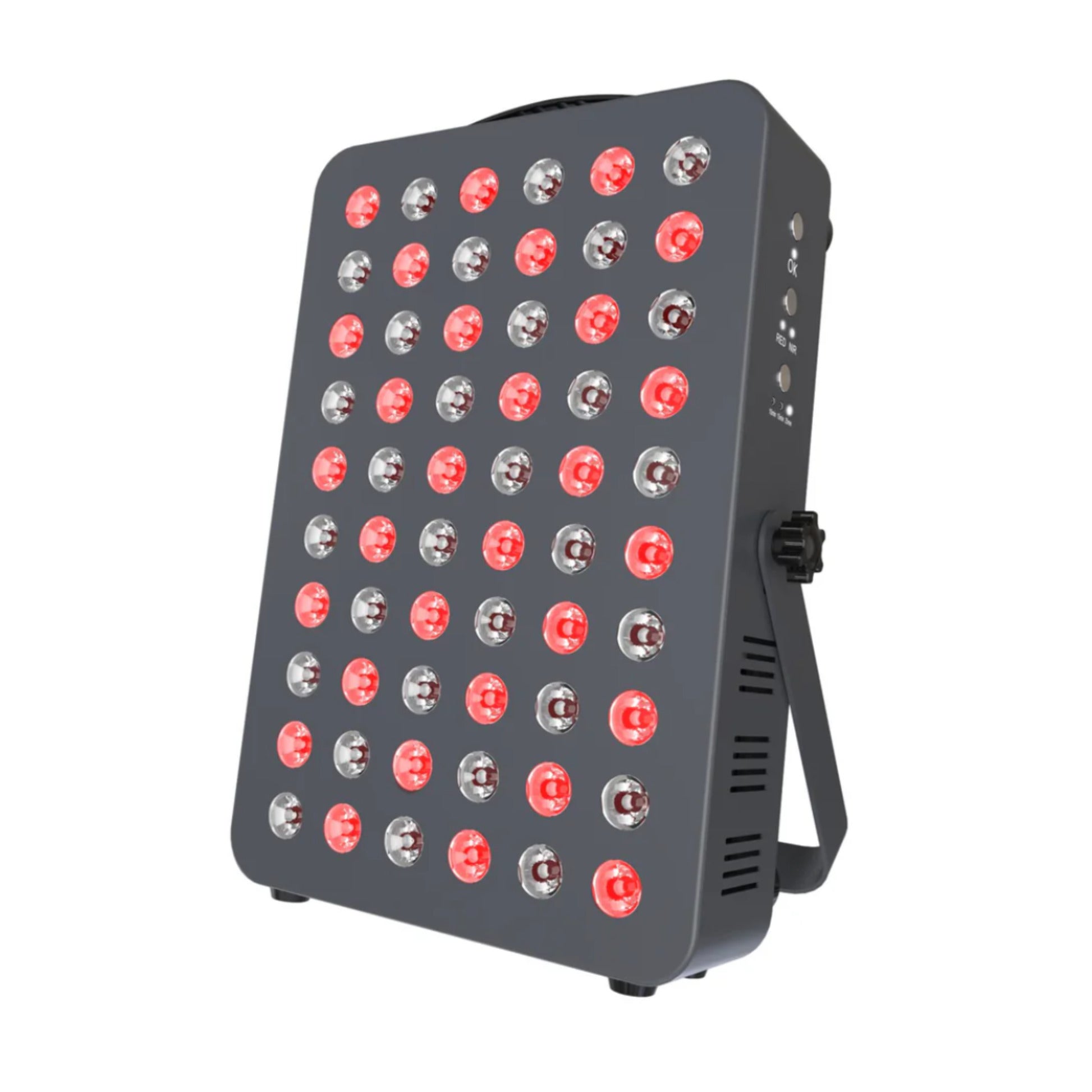
The HG300 is the least complicated Hooga panel in this group. The manufacturer publishes 60 single-chip LEDs divided between 660 nm red and 850 nm near-infrared light. Separate switches allow red, near-infrared, or both. Hooga lists irradiance of 73 mW/cm² at six inches, dimensions of 12.2 by 8.2 by 2.5 inches, a 5.5-pound weight, approximately 80 watts of power consumption, and a three-year warranty.
Best for: first-time panel buyers who want targeted sessions, simple physical controls, and a small device that can move between rooms.
Advantages:
- Compact footprint and published weight make storage easier.
- Separate red and near-infrared switches keep operation clear.
- Three-year written warranty is longer than many generic marketplace listings.
- Exact model and ASIN were matched on Amazon.
Tradeoffs: its single-chip layout and small treatment area make it less convenient for large body zones. It has fewer control features than the PRO300, and a compact tabletop format still needs careful positioning.
Check the Hooga HG300 listing on Amazon and verify ASIN B07T81R1DX before purchase.
2. Hooga PRO300 — best compact upgrade
The PRO300 keeps a compact footprint while moving to 60 dual-chip LEDs. Hooga publishes 660 nm and 850 nm output, separate controls, irradiance of 109 mW/cm² at six inches, dimensions of 12.7 by 8.6 by 3.1 inches, an eight-pound weight, approximately 112 watts of power consumption, and a three-year warranty.
Best for: buyers who like the HG300 size class but want the PRO line’s dual-chip arrangement and higher manufacturer-published irradiance.
Advantages:
- Both wavelength types are present at each dual-chip LED position.
- Published output is higher than the HG300 at the same stated distance.
- Independent wavelength controls support red-only, near-infrared-only, or combined use.
- Compact enough for targeted treatment without committing to a full-height panel.
Tradeoffs: it is heavier and consumes more power than the HG300 while remaining a targeted-coverage panel. Manufacturer output figures should not be compared as if every brand used an identical test protocol.
See the Hooga PRO300 on Amazon and confirm ASIN B08Z73FNZN and the selected seller at checkout.
3. BestQool BQ60 — best compact alternative
BestQool publishes a 60-LED compact panel measuring about 13.1 by 8.4 by 2.1 inches and weighing 4.8 pounds. Its product information lists 105 watts and irradiance of 95.6 mW/cm² at three inches. Those numbers describe a different measurement distance from the Hooga figures above, so they should not be read as a direct performance ranking.
Best for: a buyer comparing compact panels who values low published weight and a narrow body.
Advantages:
- Compact dimensions work for a desk, stand, or targeted setup.
- Published weight is the lowest among the panels in this guide.
- Two-year manufacturer warranty provides a defined support period.
- Exact Amazon listing was matched to the BQ60 model.
Tradeoffs: the short stated measurement distance can make the irradiance number look more impressive than a farther-distance figure. Confirm included stand and hanging accessories on the exact listing, because bundles may change.
Review the BestQool BQ60 on Amazon and check that ASIN B07ZCDDLDN matches the compact 60-LED panel.
4. BestQool Pro100 — best four-wavelength panel
The Pro100 expands beyond the two common wavelengths. BestQool publishes 630 nm, 660 nm, 850 nm, and 940 nm output from 100 dual-chip LEDs, approximately 170 watts of power, irradiance of 109 mW/cm² at three inches, dimensions of 19.72 by 8.35 by 2.56 inches, and a 6.61-pound weight. A door-hanger kit is part of the brand’s stated setup.
Best for: buyers who want a taller targeted panel and four-wavelength configuration without moving to a large modular wall.
Advantages:
- Taller body can illuminate more vertical area per position than the compact models.
- Four published wavelengths create a more varied output mix.
- Door-hanging hardware can preserve floor and tabletop space.
- Dual-chip layout distributes the wavelength groups across the array.
Tradeoffs: the added wavelengths do not prove better results for every purpose. A door setup must remain stable, allow ventilation, and keep the power cord away from pinch points. Verify whether the listing includes every accessory shown.
Check the BestQool Pro100 listing on Amazon and verify ASIN B08687T6WR before ordering.
5. Lifepro BioHeal — best accessory package
Lifepro’s official BioHeal page publishes 660 nm red and 850 nm near-infrared wavelengths, dimensions of 10.2 by 8.8 by 3.4 inches, a 5.5-pound weight, approximately 82 watts, and a timer adjustable from 1 to 30 minutes. The listed package includes door-hanging hardware and protective eyewear, and the brand advertises a lifetime warranty subject to its written terms.
Best for: buyers who prioritize an included hanging arrangement, timer, and accessory bundle in a compact panel.
Advantages:
- Timer supports more repeatable sessions than manual clock-watching.
- Door-hanging hardware can reduce furniture needs.
- Protective eyewear is included according to the manufacturer.
- Published lifetime warranty is unusually long, though exclusions and claim procedures still matter.
Tradeoffs: “lifetime” is only as useful as the current written warranty, available parts, and support process. We did not repeat broad certification language from marketplace copy because it was not necessary to select the product and can be misunderstood.
See the Lifepro BioHeal on Amazon and confirm ASIN B09TWLZM9P, included accessories, and current warranty terms.
Panel or LED face mask?
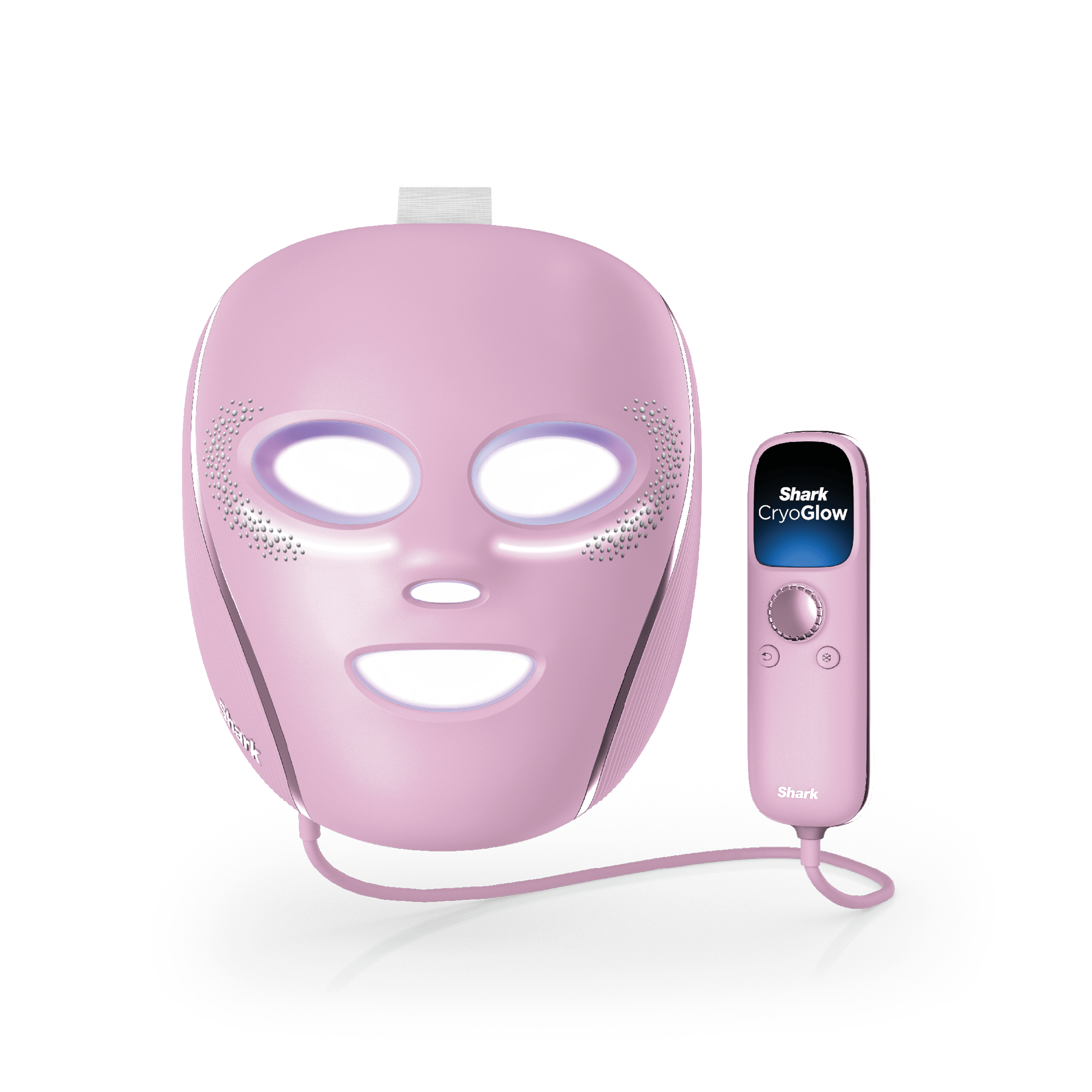
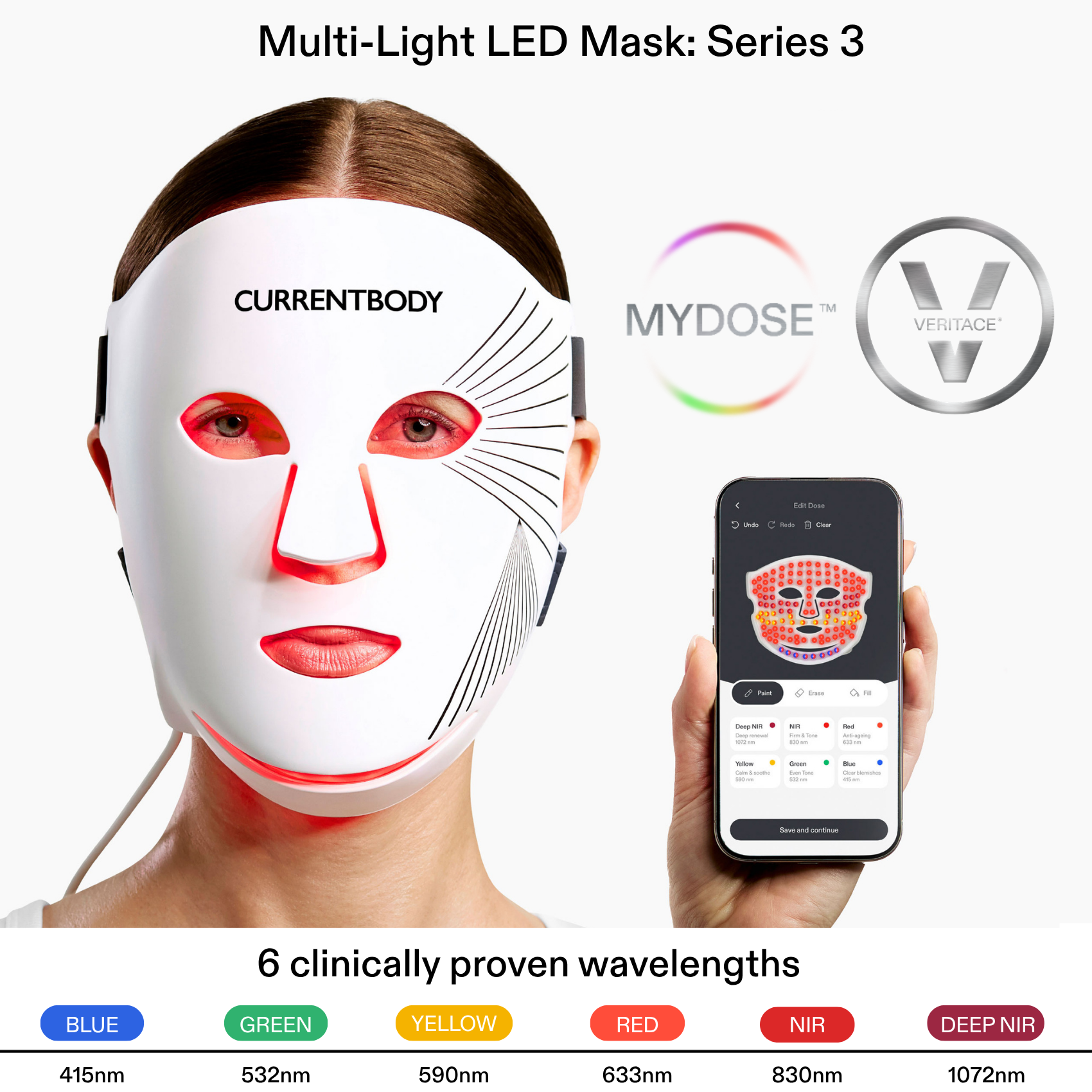
A panel is easier to share, can target different body areas, and keeps hardware off the face. It also demands consistent distance, eye protection as directed, and positioning. A mask follows facial contours and lets the user move around, but it is a single-purpose format with direct face contact and a fit that varies by user.
Choose a panel when flexibility and body-area use matter. Choose a mask when repeatable face positioning matters more. If you are building a broader home routine, our guide to infrared saunas versus red light panels explains why heat exposure and photobiomodulation devices are not interchangeable.
Setup checklist
- Confirm the exact model, voltage, plug, ASIN, warranty, and included mounting hardware.
- Choose a dry, ventilated position with a stable surface and enough clearance around fans and vents.
- Secure the stand, wall mount, or door hanger before plugging in the panel.
- Read the eye-safety and photosensitivity warnings for the exact device.
- Use the recommended distance and session duration; do not improvise based only on heat sensation.
- Keep a repeatable position by marking chair or stand placement if appropriate.
- Stop use and contact the manufacturer if you notice damaged wiring, unusual odor, flickering, excessive heat, or a failing fan.
Safety and realistic expectations
Red and near-infrared light devices are not interchangeable with ultraviolet tanning equipment, but bright visible and near-infrared output still requires following the manufacturer’s eye instructions. Do not stare directly into illuminated LEDs. Ask a qualified clinician before use if you have a photosensitivity disorder, an eye condition, take photosensitizing medication, are pregnant, are receiving cancer treatment, or have another relevant medical concern.
A home panel should not replace medical diagnosis or treatment. Claims vary by product and intended use. The US Food and Drug Administration distinguishes cleared devices, approved drugs, registered establishments, and products that are exempt from premarket notification; those terms are not synonyms. We do not label these panels “FDA approved,” and marketplace wording should not be treated as regulatory evidence for a specific purpose.
Frequently asked questions
Is a larger red light panel always better?
No. A larger panel reduces repositioning but costs more, takes more space, and needs a stronger mounting plan. For one targeted area, a smaller panel can be easier to use consistently.
Can I compare irradiance numbers across brands?
Only cautiously. Distance, meter type, beam angle, wavelength mix, and testing method can change the number. Compare figures measured at the same distance and look for transparent methodology.
Do I need red and near-infrared light at the same time?
Not necessarily. Follow the instructions for your intended use. Separate controls are useful because visible red and near-infrared light have different penetration characteristics and some users may prefer one mode.
How far should I stand from a panel?
Use the exact manufacturer guidance. Moving closer changes intensity and illuminated area; it is not automatically better and may exceed the intended exposure.
Are Amazon ratings part of this ranking?
No. Listings and review counts change, and review authenticity cannot be guaranteed. We used exact listing verification for purchase routing, then relied on manufacturer-published specifications and transparent buyer-fit criteria.
Will a red light panel heat the room like an infrared sauna?
No. Near-infrared LEDs and an infrared sauna serve different purposes and create very different environments. A panel is not a room heater and should not be selected for a sauna-like heat experience.
Bottom line
The HG300 is the sensible simple start; the PRO300 is the compact performance step-up; the BQ60 is the light compact alternative; the Pro100 suits buyers who want a taller four-wavelength array; and the BioHeal emphasizes timer and mounting accessories. Confirm exact ASIN, seller, return policy, warranty, and current price before ordering. For seasonal purchase planning without invented discounts, see our Black Friday beauty-tech deals tracker.
Affiliate disclosure: As an Amazon Associate I earn from qualifying purchases. BeautyTech Hub may earn a commission from sponsored links at no extra cost to you. We did not physically test these panels. Prices, sellers, inventory, and product details may change.