At-home facial devices can look similar on a product page, but LED light therapy and microcurrent are designed for different kinds of skincare routines. If your main goal is to build a consistent routine around the jawline, cheeks or neck, understanding that difference makes choosing a device much easier.
What is microcurrent facial toning?
Microcurrent facial devices use low-level electrical current delivered through conductive contact points. They are commonly used as part of an at-home facial toning routine, especially around the jawline, cheeks and neck.
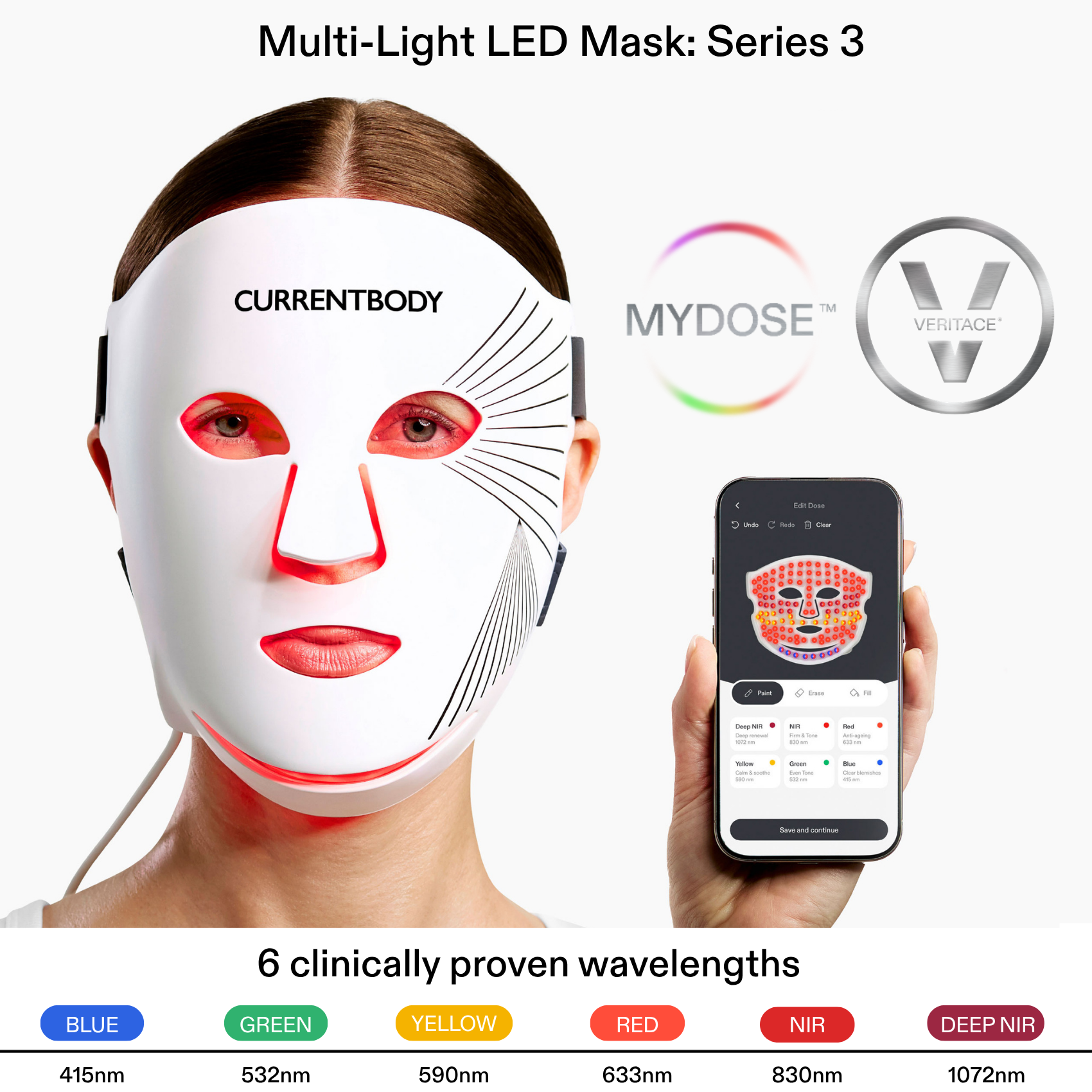
The key difference from a hands-free LED mask is that a microcurrent device is actively moved across targeted areas. That makes it a better fit for someone who wants to focus on specific facial contours rather than simply wear a mask for a set session.
Why the jawline is a popular area for microcurrent
The jawline is easy to target with a handheld device because you can control placement and movement. A routine can move from the center of the chin outward along the jaw, then continue toward the cheeks and neck according to the device instructions.
Consistency matters more than making a session unnecessarily long. A short routine that is easy to repeat is generally more practical than a complicated routine you rarely use.
Microcurrent vs LED for the jawline
| Feature | Microcurrent device | LED face mask |
|---|---|---|
| How it is used | Handheld, targeted movement | Hands-free session |
| Typical routine focus | Jawline, cheeks and neck | Full-face light-based skincare |
| Conductive product | Often used with conductive gel | Generally not required |
| Best fit | People who prefer targeted facial toning routines | People who prefer simple hands-free light sessions |
If you are deciding between the two technologies, read our LED face mask vs microcurrent comparison.
How to build a simple microcurrent jawline routine
- Start with clean skin and follow the preparation instructions supplied with your device.
- Apply a compatible conductive product when required.
- Use controlled movements along the jawline and other intended treatment areas rather than repeatedly working one spot.
- Follow the device's recommended session length and frequency.
- Clean the contact surfaces after use.
What to look for in an at-home microcurrent device
Look beyond the number of modes. Consider whether the shape is comfortable for the jawline and neck, whether controls are easy to use, how the device charges, and whether the routine is realistic enough to use consistently. If morning puffiness around the jaw and cheeks is part of the reason you are shopping, read our cold facial device vs microcurrent guide for puffiness first, because a cooling tool may fit that goal better.
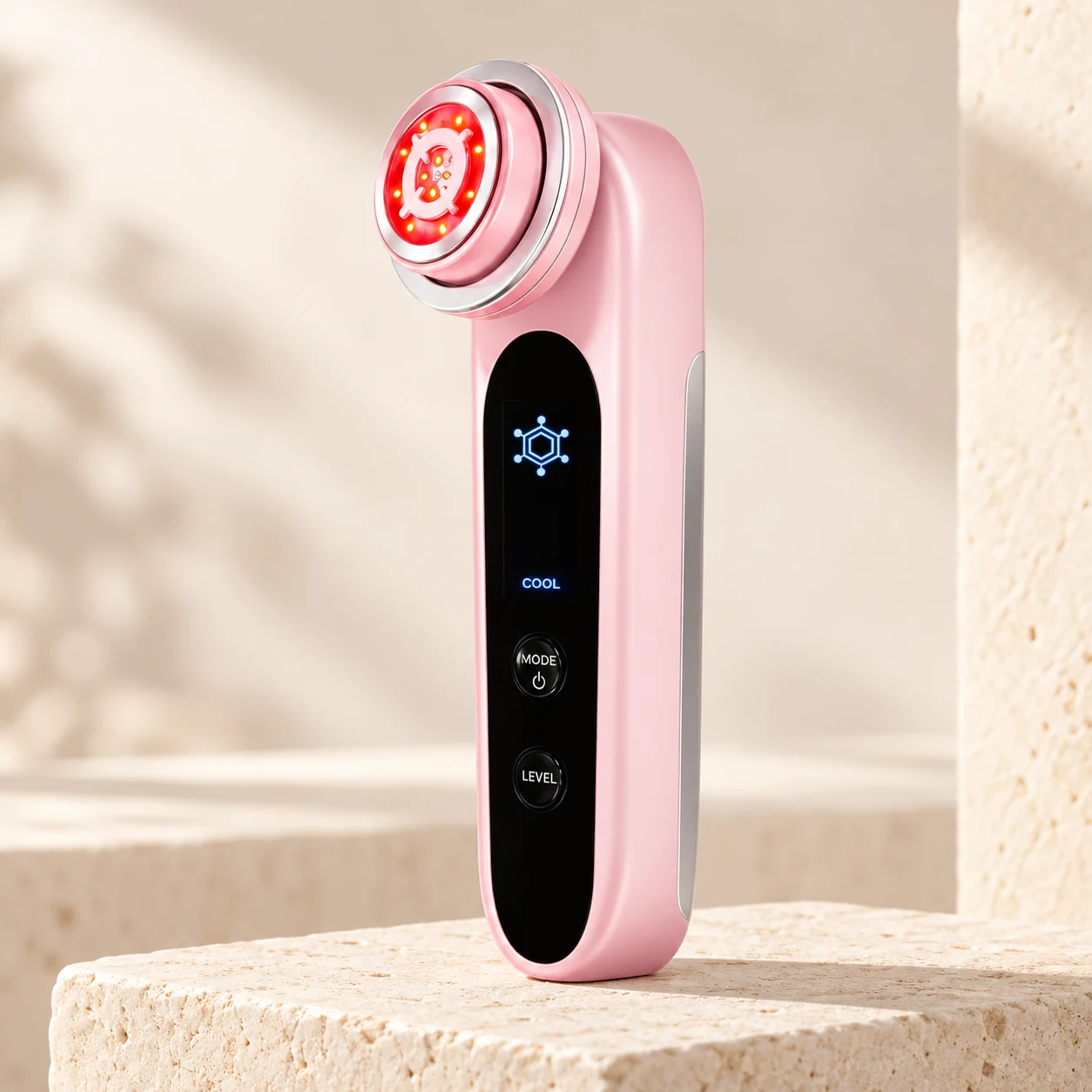
BeautyTech Hub's Contour Pro 5-in-1 Microcurrent Facial Device is designed for targeted at-home routines across the jawline, cheeks and neck, combining microcurrent with additional skincare modes in one handheld device.
Can you combine microcurrent and LED?
They do not have to be competing choices. Because they serve different routine purposes, some people use a targeted handheld device and an LED mask as separate parts of their skincare routine. Follow the instructions for each device and avoid stacking treatments in a way that causes irritation.
The bottom line
For someone specifically searching for an at-home jawline routine, a handheld microcurrent device offers more targeted control than a hands-free LED mask. The most useful device is still the one that fits comfortably into a routine you can maintain.
This guide is for general cosmetic and educational purposes and is not medical advice. Follow the manufacturer's instructions and do not use a device when contraindicated for you.