Quick answer: Choose an infrared sauna when you want gentler air temperature, close radiant heaters and a prefab cabin that may fit a smaller indoor space. Choose a traditional electric sauna when you want hotter air, stones, adjustable humidity from carefully ladled water and the familiar Finnish-style bathing experience. The better home purchase is the one your room, electrical panel, ventilation plan and preferred ritual can support. For a permanent infrared build, review SaunaCloud’s current planning options before electrical work begins.
Infrared vs traditional sauna at a glance
Choose infrared if…
- You prefer radiant heat directed toward the body rather than a room dominated by very hot air.
- A compact prefab cabin and comparatively simple indoor placement matter more than steam and stones.
- You are comfortable sitting relatively close to panels and following the exact heater layout.
- You want to compare 120V plug-in cabins as well as higher-power 240V custom systems.
Choose traditional if…
- You want a hotter-air sauna with a stone heater and the option to add modest humidity according to the manual.
- You value bench height, ceiling geometry and ventilation as part of the experience.
- You can support a heater sized to the room volume and a permanently wired 240V installation.
- You are prepared for a more construction-like project, including heat-rated materials and clearances.
The essential difference is how heat reaches you
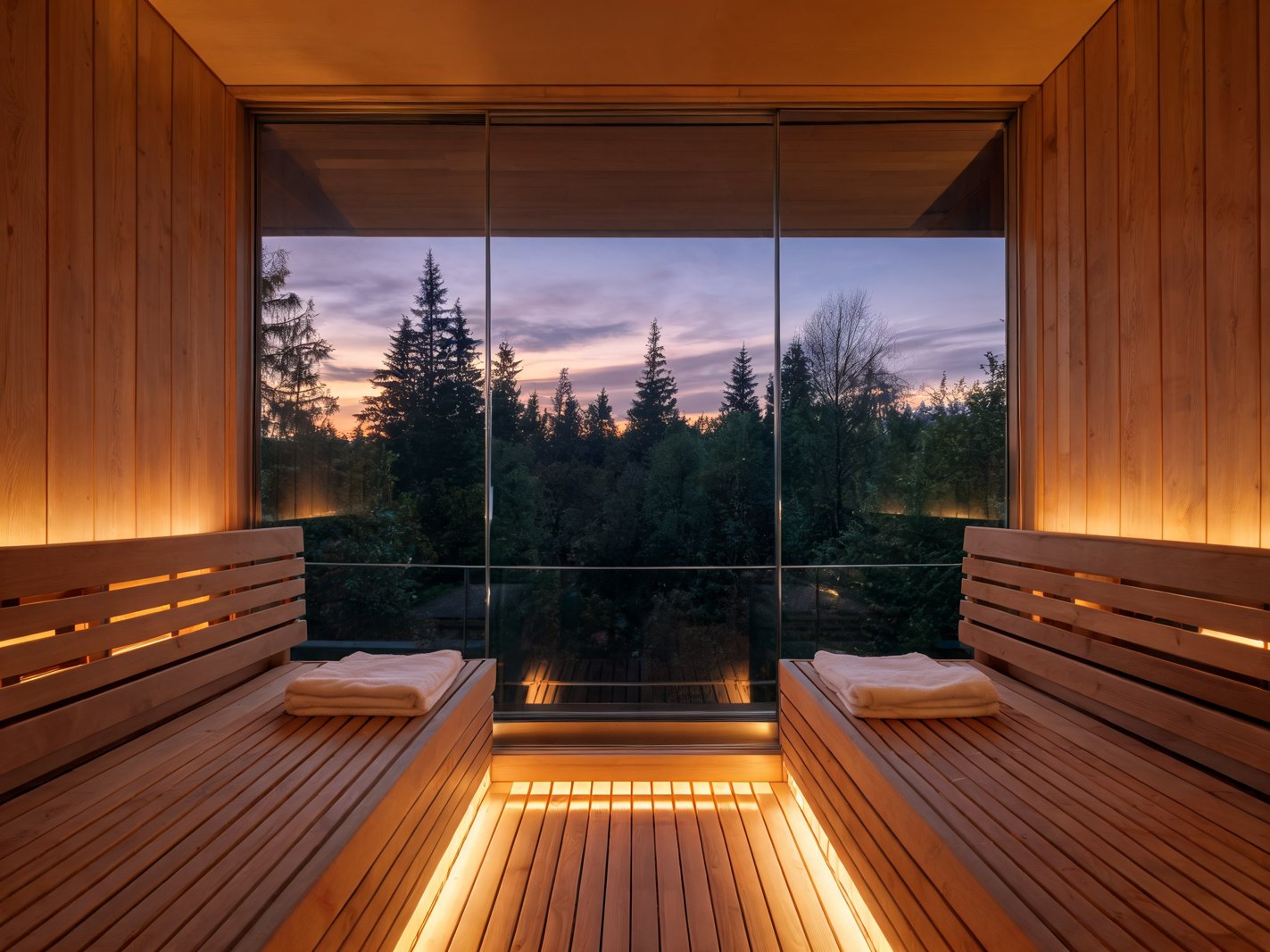
A traditional electric sauna heater warms stones and the surrounding air. The room envelope, benches and occupants then warm through a mix of convection and radiation. Pouring the permitted amount of clean water over hot sauna stones briefly raises perceived humidity. The heater is selected for the room’s cubic volume, construction and uninsulated surfaces—not merely the number of seats.
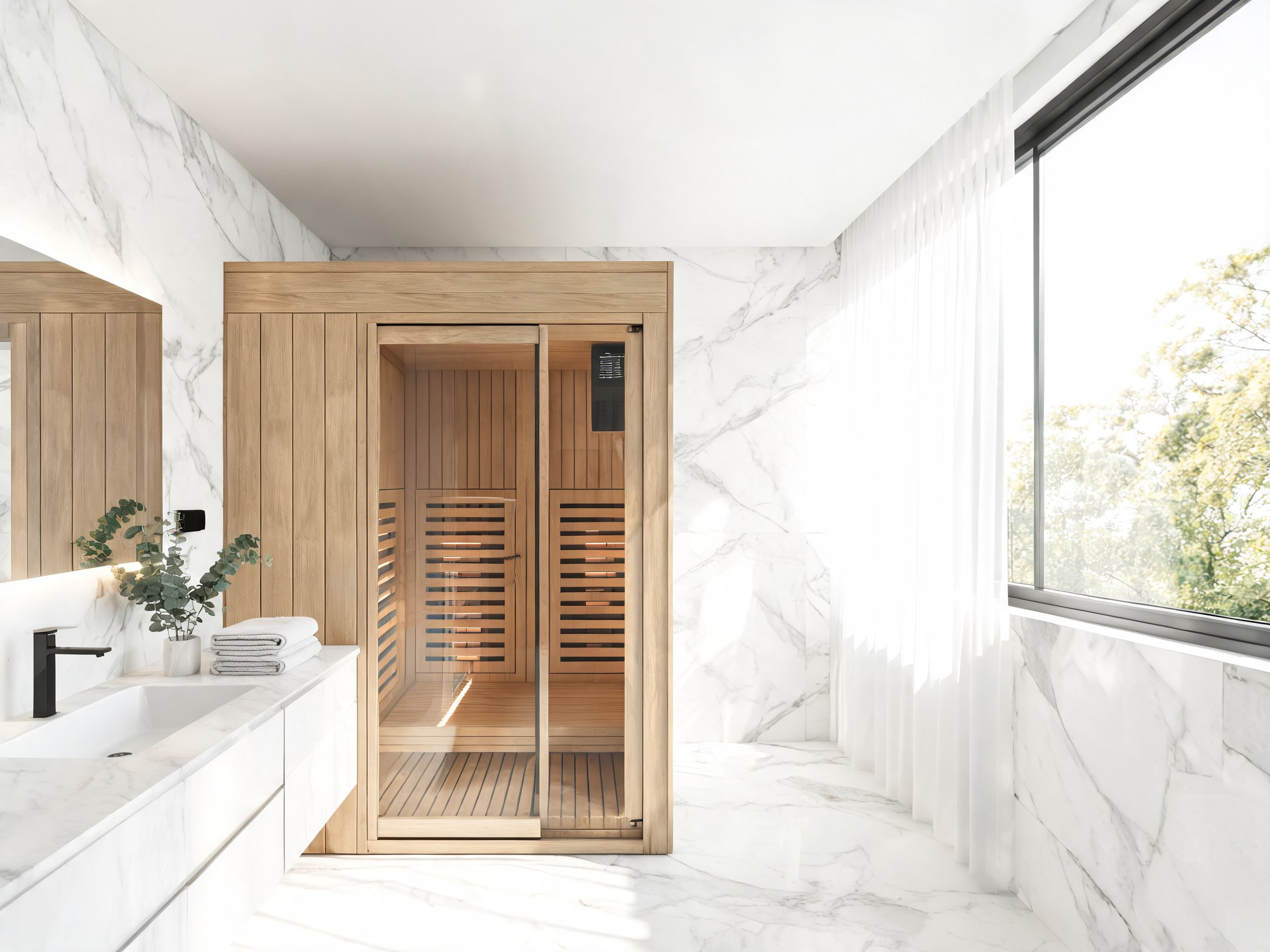
An infrared sauna uses radiant panels or emitters positioned around the user. The air still warms, but the design puts more emphasis on radiation from nearby surfaces. That changes how the cabin is laid out: emitter distance, body position and unobstructed panel coverage matter. It does not make one format universally “deeper,” safer or medically superior. Those claims require far more evidence than a shopping comparison can provide.
If you are already leaning infrared, our best 1–2 person infrared sauna guide compares published dimensions and circuit requirements. Buyers planning a yard installation can also browse Sweaty Yeti’s current sauna range and then verify the exact heater type, room volume and site requirements on the selected model.
Temperature and humidity feel different
Traditional saunas are designed around high air temperature and low baseline humidity, with short humidity bursts when the heater and manual allow water on the stones. Infrared cabins often operate at lower air temperatures, but the felt experience depends on panel placement, output, warm-up time, clothing, posture and the individual user. A lower thermostat number does not automatically mean a weak session, and a higher number does not make a sauna better.
For buyers, the practical question is sensory: do you want enveloping hot air and the ritual of stones, or steady radiant warmth while sitting closer to panels? If possible, try both formats in a reputable facility before committing thousands of dollars and permanent floor space.
Electrical requirements: compare the exact model, not the category
Small infrared cabins are sometimes sold for a dedicated 120V, 15A or 20A circuit. That convenience is real only when the manual, plug, receptacle, breaker and wiring all match. Do not use an extension cord or share the circuit with another high-load appliance. Larger infrared systems can be 240V and hardwired. SaunaCloud’s Atlas One, for example, is published as a 6kW, 240V hardwired system with a dedicated 30A breaker; use the current proposal and electrical drawings rather than treating that example as universal.
Traditional electric heaters are commonly 240V permanent installations. Harvia’s US Virta Combi 6.0kW model is one concrete example: the manufacturer lists 240V single-phase supply and a room-volume range of 177–283 cubic feet. Its manual requires permanent installation by a licensed electrician and heat-rated wiring in the sauna walls. A different heater or room requires a different calculation.
Before ordering either format, give the exact model sheet to a qualified electrician. Ask for the dedicated circuit, conductor size, disconnect, GFCI or local-code requirements, control location and available panel capacity in writing. For custom infrared planning, request the current SaunaCloud electrical plan before the build reaches drywall.
Room construction and installation
Infrared cabins
Prefab infrared cabins arrive as panels or modules and still demand a measured delivery route, level dry floor, manufacturer clearances, room ventilation and service access. “Plug-in” describes the power connection, not the entire installation. Confirm packaged dimensions, total weight, door swing and whether the warranty permits the intended indoor or outdoor location.
Traditional rooms
A traditional sauna is a hot room as much as it is a heater. Insulation, vapor management, wood surfaces, heater guards, bench heights, door design, inlet and exhaust ventilation, and required safety clearances work together. The heater must be matched to the finished room. Large glass areas or masonry can affect sizing because they add heat loss.
Use our home sauna dimensions guide to map usable bench space, door swing and delivery access. For an outdoor project, compare Sweaty Yeti’s available configurations only after confirming which models are traditional, infrared or combination systems.
Warm-up, energy and operating cost
Do not compare operating cost from the words “infrared” and “traditional” alone. Use the nameplate power and actual run time. A 1.8kW infrared cabin running for one hour uses roughly 1.8kWh while the heaters are fully energized; a 6kW traditional heater running for one hour uses up to roughly 6kWh before thermostat cycling. Multiply kWh by your utility’s delivered electricity rate. Real consumption varies with ambient temperature, insulation, preheat time, thermostat cycling, session length and door opening.
The traditional room may take longer to bring the air, stones and surfaces to the desired condition. A compact infrared cabin may feel ready sooner, but a heavily insulated larger infrared system can also carry substantial electrical load. Ask each seller for rated watts and a realistic warm-up range under conditions similar to your home. Avoid “costs pennies” claims without a model, rate and duration.
Comfort, posture and accessibility
Infrared panels occupy wall and sometimes floor or bench space. Confirm that your knees, shoulders and back stay within the intended treatment geometry without touching heater guards. A narrow one-person cabin can be efficient but restrictive.
Traditional rooms depend heavily on bench elevation. Heat stratifies, so a low bench can leave feet noticeably cooler than the upper body. A well-designed room gives the bather a safe route to an upper bench and enough ceiling geometry to keep the experience balanced. If climbing is difficult, prioritize entry height, handholds, bench depth and supervision over the romance of a multi-level layout.
Neither format is automatically accessible. Check threshold height, door width, latch behavior, floor traction, seating height, emergency exit and whether another person can assist without obstruction.
Cleaning and maintenance
Both formats need dry-out time, bench wiping and regular inspection. Infrared panels should be cleaned only as the manufacturer instructs; do not spray electronics or block vents. Traditional heaters need correct sauna stones, periodic inspection and replacement of crumbling material. Never use decorative landscaping rock.
Traditional rooms also require careful control of water and ventilation. Use only the water quantity and procedure permitted by the heater manual. Infrared owners should watch panel guards, cables, connectors and controls. For either type, a seller’s parts availability and labor policy can matter more than a long headline warranty.
Safety and health-claim reality check
Heat exposure can cause dehydration, dizziness, burns or fainting. Alcohol, impaired sensation, illness, some medications and certain medical conditions can increase risk. Leave immediately if you feel unwell, never fall asleep in a sauna and supervise children according to the manufacturer’s rules and medical advice. If pregnancy, cardiovascular disease or another condition makes heat exposure uncertain, ask a qualified clinician before use.
Do not buy either format on promises to cure disease, “detox” a specific toxin or guarantee weight loss. Short-term scale changes after sweating mainly reflect fluid loss. This comparison ranks ownership fit, not medical outcomes.
Buying checklist
- Name the experience: radiant warmth at lower air temperature, or hotter air with stones and controlled humidity?
- Measure the entire route: exterior footprint, ceiling height, packaging, stairs, corners and doorways.
- Verify power: exact voltage, watts, amperage, breaker, receptacle or hardwiring, disconnect and local code.
- Check room suitability: dry level floor, ventilation, clearances, service access and outdoor rating if applicable.
- Compare seated geometry: usable bench width and depth, heater guards, panel location and foot space.
- Price the installed project: freight, assembly, electrician, carpentry, ventilation, floor protection, taxes and future parts.
- Read the warranty exclusions: wood, labor, shipping, misuse, commercial use and outdoor placement often differ.
Frequently asked questions
Is infrared safer because it runs cooler?
No format is automatically safe for every person. Lower air temperature changes the experience, but radiant heaters still create heat stress and hot surfaces. Follow the exact manual and personal medical guidance.
Can a traditional sauna run on a normal outlet?
Most full traditional electric heaters for home rooms require a permanently wired 240V circuit. Small specialty products vary; the exact listed heater and current manual control the answer.
Can I pour water in an infrared sauna?
Do not pour water on infrared panels unless the exact manufacturer explicitly provides a separate approved heater-and-stone system and instructions. Standard infrared emitters and electronics are not sauna stones.
Which sauna is easier for an apartment?
A compact 120V infrared cabin may be easier, but landlord approval, dedicated circuit availability, floor load, delivery route and ventilation still matter. Portable formats have different risks and should not be treated as substitutes without reading their manuals.
Which costs less to run?
A lower-wattage cabin used for less time generally consumes less electricity, but category labels are not enough. Compare rated kW, warm-up and session duration against your utility rate.
Can one room combine infrared and traditional heat?
Some manufacturers offer combination systems, but adding emitters to an existing hot room is not a DIY shortcut. Components must be rated for the environment and installed under an engineered, listed system.
Bottom line
Infrared is the practical choice for buyers who prefer radiant heat, compact cabin options and potentially simpler electrical requirements. Traditional is the better match for buyers who want hotter air, stones, humidity control and a purpose-built sauna ritual. Start with the room and electrical plan, then choose the experience. For a higher-spec infrared project, review SaunaCloud’s current systems; for outdoor sauna ideas, see Sweaty Yeti’s current range and verify the exact heater type before requesting a quote.
Affiliate disclosure: BeautyTech Hub may earn a commission from qualifying purchases made through sponsored links, at no extra cost to you. We did not physically test these saunas. Product specifications, availability and installation requirements can change; confirm the exact current model and manual before purchase.