One device can feel completely different depending on whether you reach for heat or cold. That is why a hot-and-cold facial tool can be more useful when you think of it as a routine tool, not a one-button treatment.
Below is a practical way to decide when warming, cooling, LED light and vibration fit into an at-home skincare routine.
What does a hot and cold facial device do?
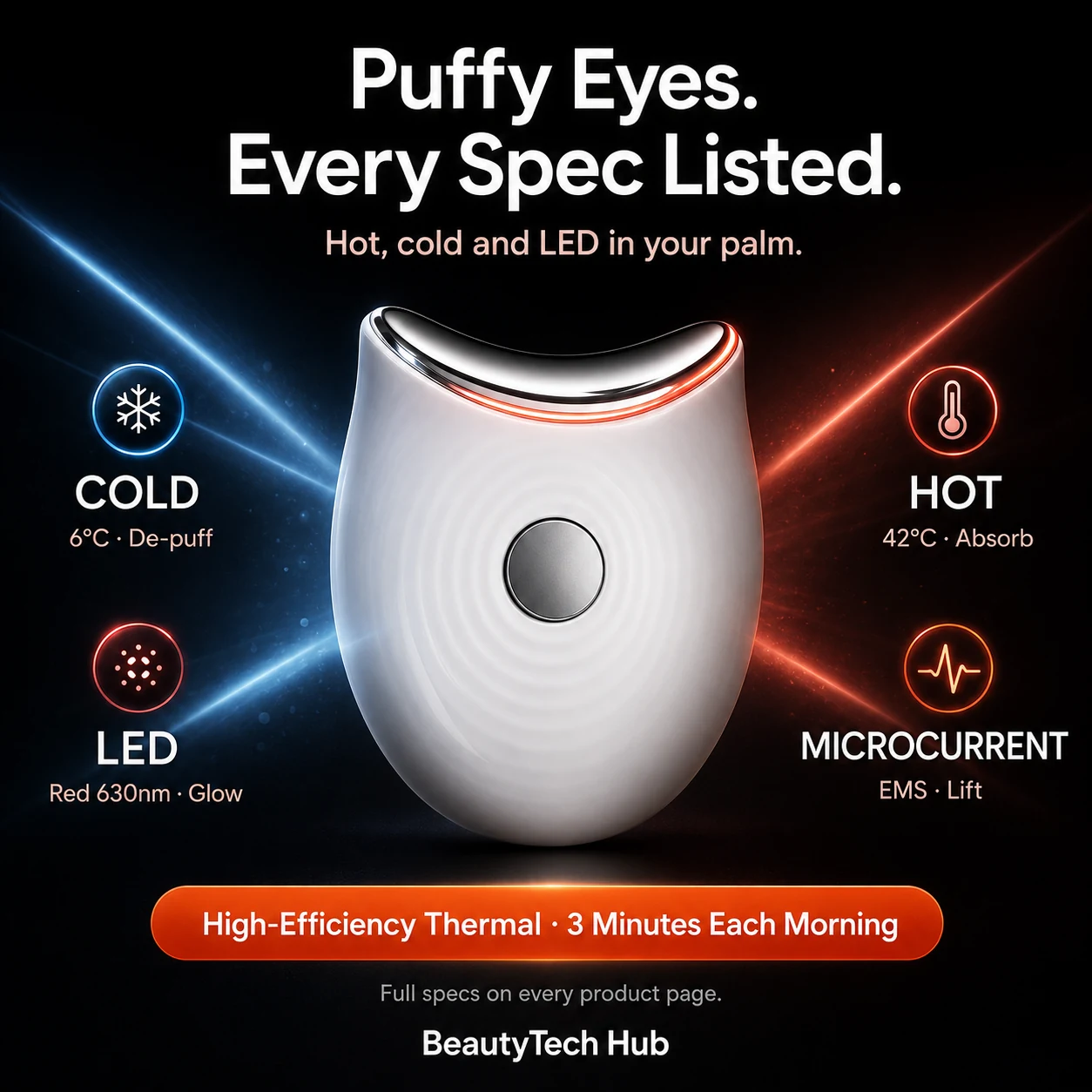
Hot-and-cold facial devices combine temperature-based sensations with features such as LED light and vibration. The exact modes vary by device, but the basic idea is to give you different options for different moments in your routine.
The BeautyTech CryoGlow Hot & Cold Facial Device, for example, combines warming, cooling, LED light and vibration massage in one handheld tool.
When does the warming mode make sense?
Warming is the mode many people naturally associate with the beginning or middle of a relaxing skincare routine. It can make a facial routine feel more spa-like and pairs naturally with a glide-friendly skincare product when the device instructions allow it.
Think of warmth as the comfort-focused side of the routine rather than a reason to turn the temperature as high as possible. More heat is not automatically better.
When should you use the cooling mode?
Cooling makes intuitive sense near the end of a routine, especially when you want a fresh, chilled skin feel. It can also be appealing in the morning or after a long day when a warm facial routine simply does not sound attractive.
If your main reason for shopping is that cold-tool sensation, a dedicated hot-and-cold device may be a better fit than buying a device primarily for facial muscle stimulation.
If morning puffiness is your main concern, compare this routine with our cold facial device vs microcurrent guide for puffiness before choosing a device category.
Where does LED light fit?
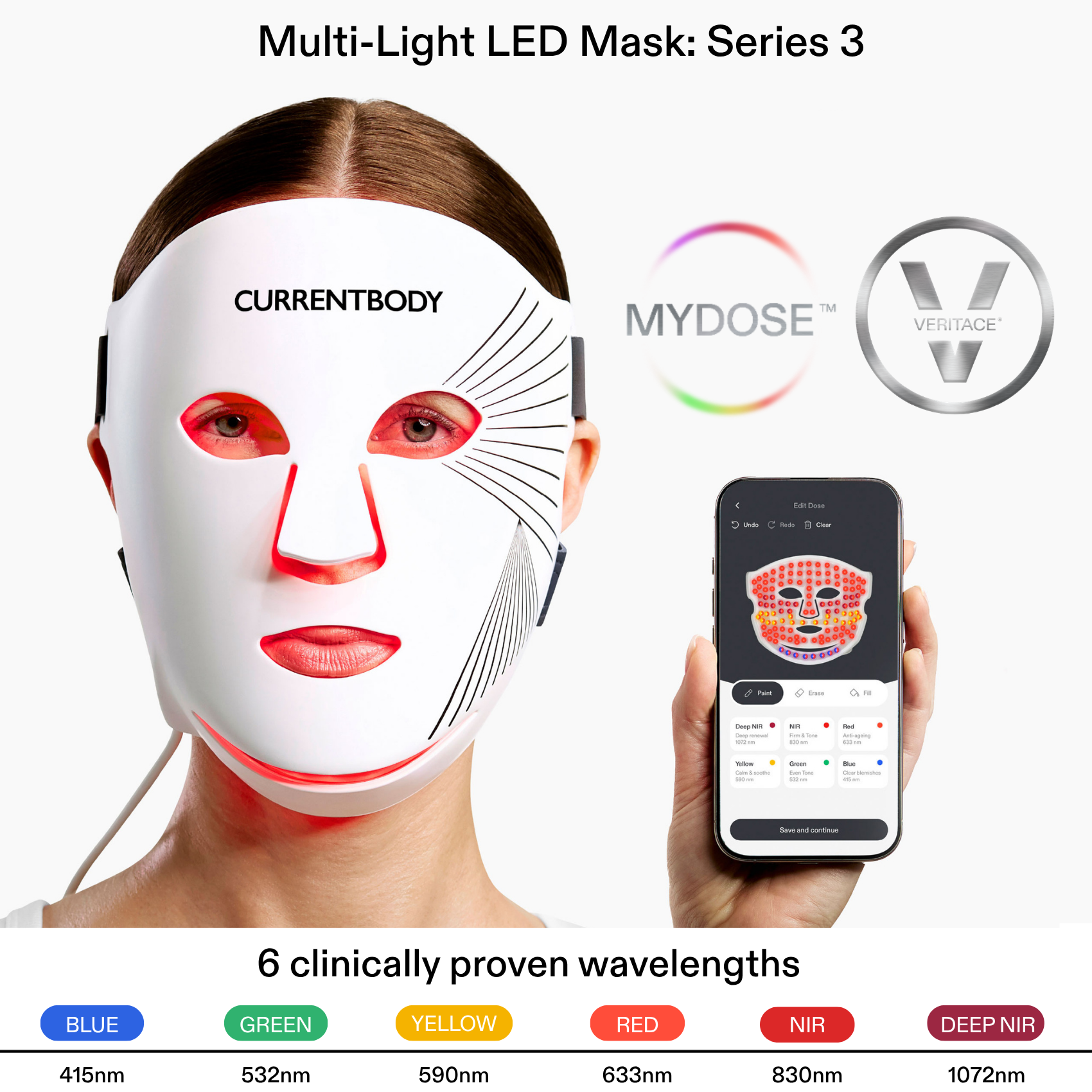
LED is a separate feature from temperature. A handheld LED device treats a smaller area at a time, while a face mask is designed for broader facial coverage. If light therapy is your main priority, compare a handheld tool with a full-face option such as the BeautyTech LumaMask 7.
If you are still deciding between device categories, our guide to LED face masks vs microcurrent devices explains the difference in goals and routine style.
What is vibration for?
Vibration is primarily about the experience of using the tool: movement, massage-like sensation and making a short routine feel more deliberate. It is not the same technology as microcurrent or EMS, so those terms should not be treated as interchangeable.
Hot and cold device vs microcurrent: which should you choose?
Choose based on the feature you actually want to use consistently.
- Choose hot/cold if temperature, cooling, warming and a massage-like skincare ritual are the main attraction.
- Choose microcurrent/EMS if your priority is a facial toning-style routine for areas such as the jawline, cheeks and neck.
- Choose an LED mask if broad, hands-free light coverage is the main reason you are shopping.
For a toning-focused alternative, see the BeautyTech Contour Pro 5-in-1 Microcurrent Facial Device or read our microcurrent jawline routine guide.
A simple way to build your routine
Start with clean skin and follow the instructions for your specific device. Pick one mode based on your goal instead of cycling through every feature simply because it is available. Keep sessions consistent, stop if the device feels uncomfortable, and avoid using temperature or electrical facial devices on areas or in circumstances the manufacturer lists as contraindicated.
The bottom line
A hot-and-cold facial device makes the most sense for someone who wants flexibility: warming when they want a comforting routine, cooling when they want a fresh finish, plus optional LED and vibration in the same handheld format. The best device is not the one with the longest feature list—it is the one whose core mode matches the routine you will actually keep using.