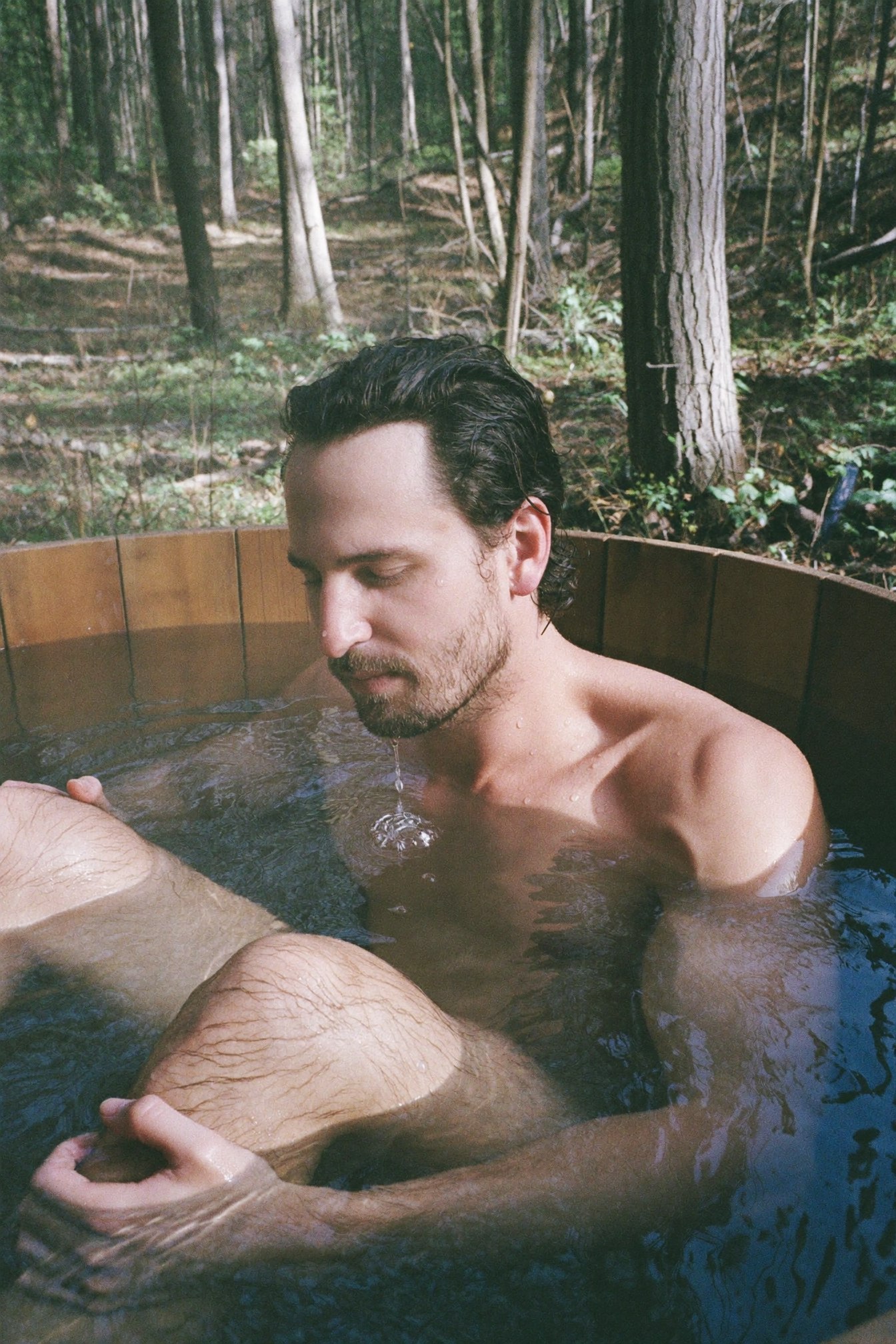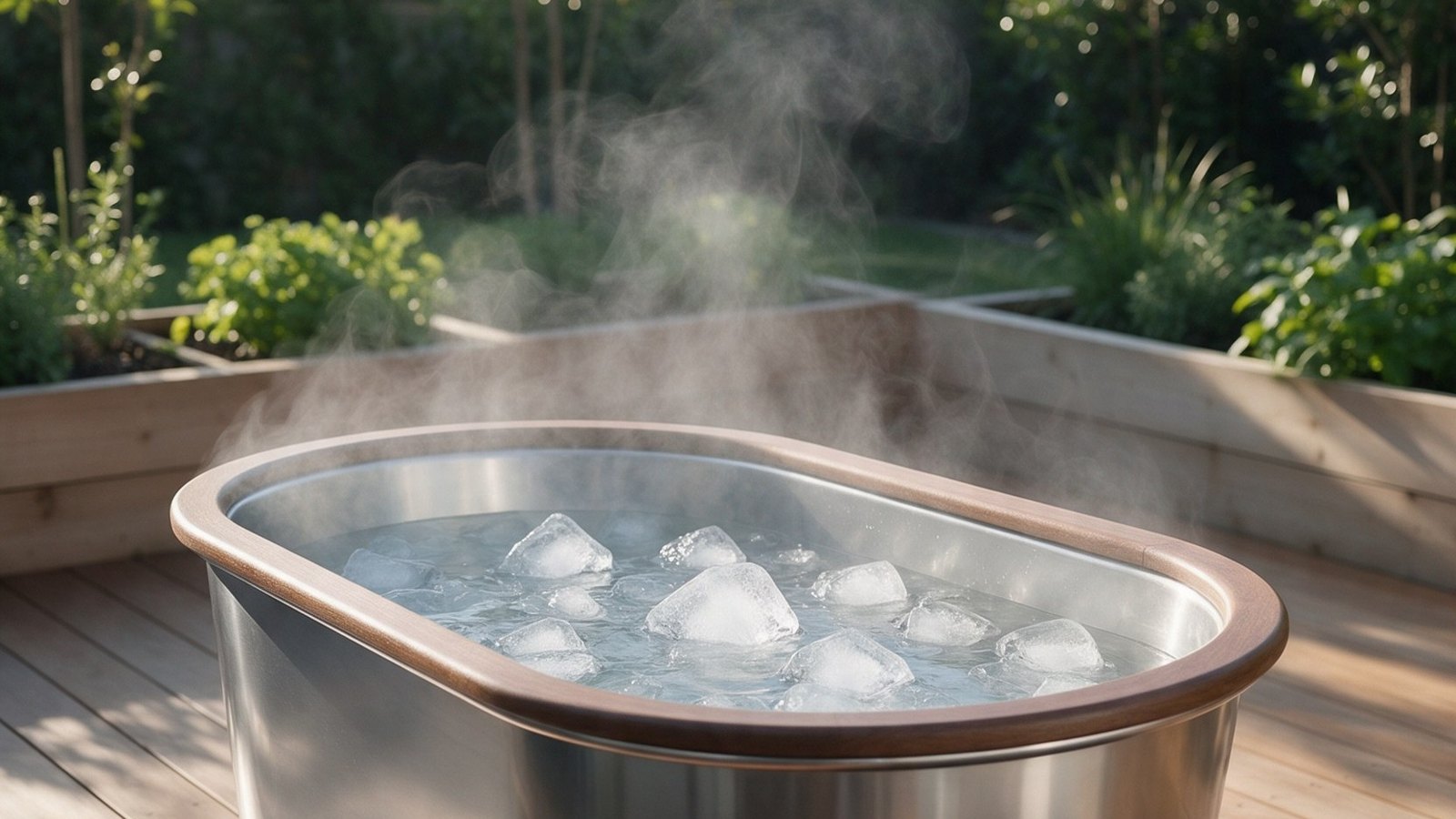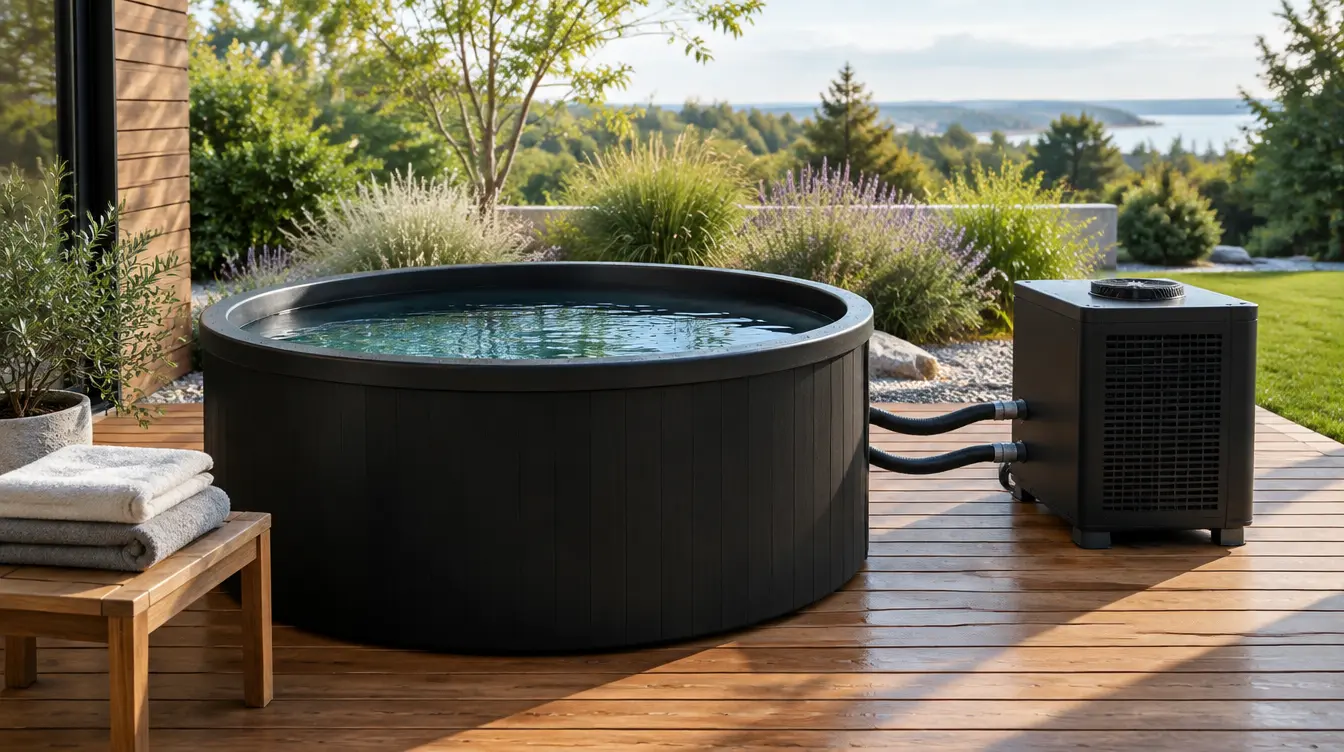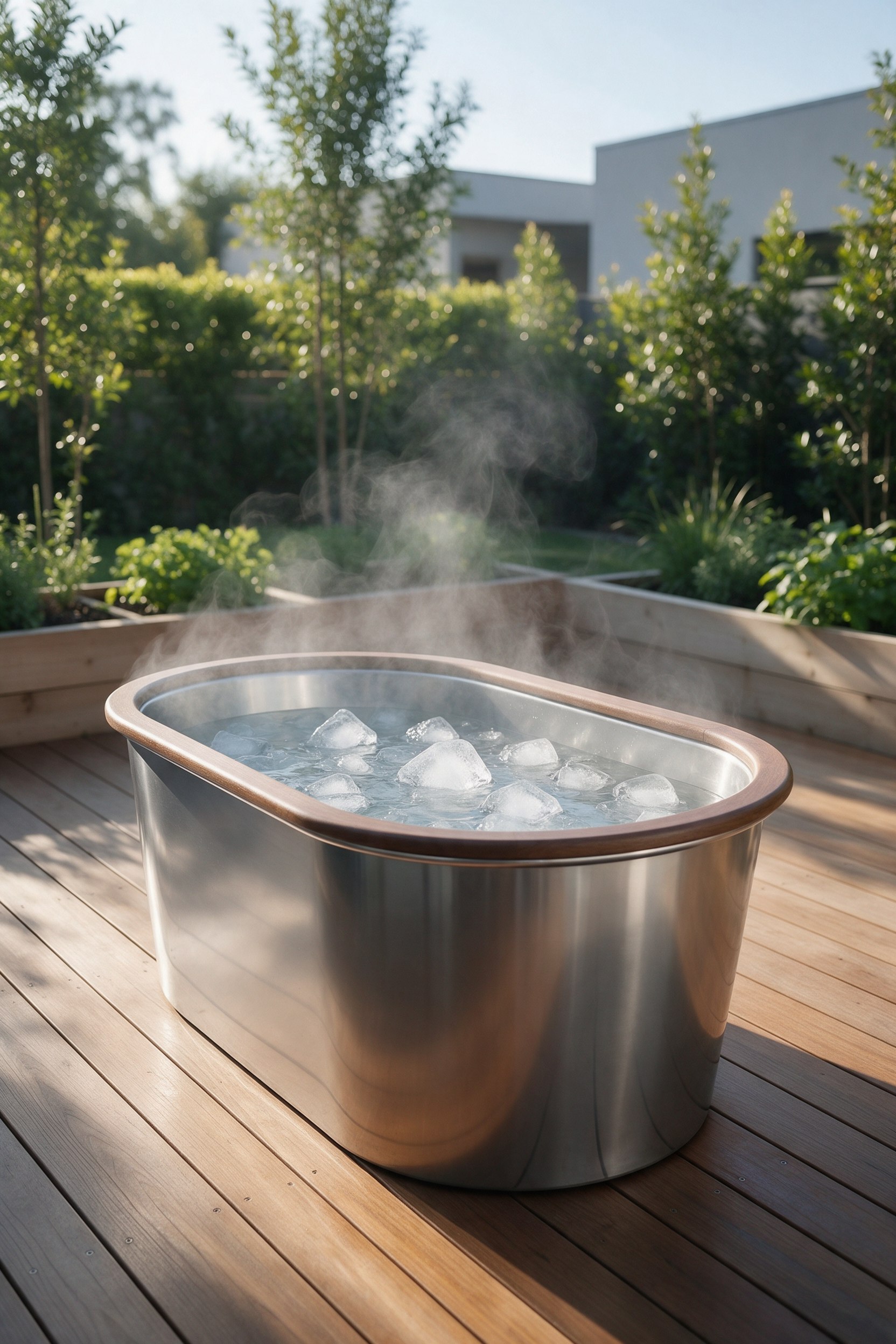
Quick answer: an ice bath is the lower-commitment way to try cold-water immersion using a bathtub or basic tub plus measured ice. A powered cold plunge is the better ownership format for frequent use because a chiller can hold a repeatable set temperature and circulation can support filtration. The tradeoff is higher upfront cost, electricity, noise, hoses and maintenance. If consistency matters more than the lowest starting cost, compare PlungeChill’s current tub-and-chiller configurations.
Cold plunge vs ice bath: quick decision cards
Choose an ice bath if…
- You want to test the habit before buying equipment.
- You will use it occasionally rather than on a fixed schedule.
- You have a bathtub or simple tub and a reliable ice source.
- You accept variable temperature and setup time.
Choose a powered cold plunge if…
- You plan to use it several times per week.
- You want the water ready without hauling ice each session.
- You value a set temperature, circulation and filter compatibility.
- You have space, drainage, ventilation and a safe electrical location.
What the words actually mean
“Ice bath” usually describes the method: adding ice to water shortly before immersion. “Cold plunge” can describe the activity, but in shopping contexts it often means a dedicated tub, sometimes paired with a chiller, pump and filter. Sellers use the terms loosely, so compare the system rather than the label.
This guide compares ownership formats, not medical outcomes. Cold water can provoke rapid breathing and cardiovascular stress, and it is not appropriate for everyone. Cleveland Clinic advises beginners to start conservatively and people with heart disease, high blood pressure, diabetes, pregnancy, poor circulation and several other conditions to speak with a healthcare professional first.
Temperature control and readiness
Ice bath: cheap hardware, variable result
With ice, the final temperature depends on starting water temperature, water volume, ice amount, room conditions and how long you wait. You need a thermometer; “one bag” is not a reproducible temperature. The bath is ready only after filling, adding ice and checking the water.
Chilled plunge: slower initial pull-down, steadier routine
A chiller removes heat over time and then cycles to maintain a set point. Published performance is conditional. PlungeChill’s 1/3 HP setup guide lists a 600-watt compressor and says 66 gallons can cool from 75°F to 50°F in about eight hours, and to 45°F in about twelve hours. Ambient heat, insulation, cover use, water volume and flow will change that result. A powered system is therefore convenient when left prepared; it is not an instant ice maker.
For model selection, read our 1/3 HP vs 1 HP chiller comparison. To see current sizes and bundles, review PlungeChill’s published configurations.
Upfront cost versus recurring effort
An ice bath can start with equipment you already own. The recurring cost is ice, water, transport and time. A dedicated plunge adds the tub, chiller, pump, filtration parts, hoses, cover and possibly site or electrical work. It then replaces much of the repeated ice handling with electricity and maintenance.
Do not use a generic break-even promise. Local ice prices, electricity rates, ambient temperature, insulation and frequency dominate the answer. Our chiller vs buying ice calculator shows how to plug in your own inputs, while the cold plunge running-cost guide covers electricity, water, filters and sanitizer separately.
Water care and hygiene
A fresh bathtub ice bath is typically drained after use. That limits long-term water treatment but uses new water and requires cleaning the tub. A reusable cold plunge saves refilling effort but creates a small recirculating-water system. That means you must manage debris, body oils, filter cleaning or replacement, water chemistry approved by the maker and periodic draining.
A filter is not a magic sanitation system. Confirm which pump, filter and sanitizer methods the tub and chiller manufacturer allows. Avoid improvised chemical combinations and do not assume “self-cleaning” means maintenance-free. Our pump and filter guide explains flow restrictions, hose sizing and priming.
If you want an integrated pump-and-filter path, check the exact components included with a PlungeChill bundle before ordering; included parts can vary by product.
Space, power, drainage and noise
Ice bath
- Needs a fill and drain route.
- Needs a safe way to carry and store ice.
- May be easy indoors in a normal bathtub, but splashing and condensation still matter.
- Has no compressor noise.
Powered plunge
- Needs tub footprint plus chiller ventilation and service clearance.
- Needs hose routing without kinks or trip hazards.
- Needs a manufacturer-approved electrical connection near water.
- Produces compressor, fan and pump sound.
- Benefits from an insulated cover and shaded placement.
PlungeChill publishes 14.9 × 11.8 × 12.6 inches and 35 pounds for its current 1/3 HP chiller, with a stated 39–45 dB range. Treat those as manufacturer specifications, not our independent measurements. Confirm the current product page and installation guide because equipment can change.
Which is easier to use consistently?
A cold plunge usually wins for routine consistency: open the cover, verify temperature and water condition, then use it. An ice bath adds procurement, filling, measuring and cleanup every time. However, the dedicated system only remains convenient when you actually maintain filters, circulation and water. A neglected plunge is not an upgrade.
For occasional recovery after a race or hard training block, a bathtub ice bath may be enough. For a household that wants a scheduled morning or post-work routine, a chiller can remove the biggest friction point. Buyers ready for that format can compare current PlungeChill systems without assuming one horsepower fits every tub.
Buyer checklist
- Define frequency. Once a month and five times a week justify different systems.
- Measure water volume. Use actual filled volume, not exterior tub capacity.
- Set a sensible temperature goal. Colder is not automatically better.
- Map the site. Tub, chiller, ventilation, drainage, cover opening and walking clearance all count.
- Verify power. Follow the exact manual and use qualified electrical help where required.
- List included components. Pump, filter, hoses, adapters, cover and sanitizer supplies may be separate.
- Price a year of ownership. Include ice or electricity, water, filters, cleaning and your time.
- Write the maintenance routine. If you will not perform it, choose the simpler format.
Who should not rush into either option?
Do not treat a plunge as a toughness test. Stop if you feel lightheaded, confused, unusually short of breath or otherwise unwell. Never use cold water alone in a situation where loss of consciousness could lead to drowning. Get individualized medical advice if you have relevant cardiovascular, neurologic, circulation or pregnancy concerns. This article is shopping guidance, not medical care.
FAQ
Is a cold plunge the same as an ice bath?
The activity overlaps, but the equipment differs. A dedicated plunge often uses a chiller and circulation; an ice bath relies on added ice and is commonly drained after use.
Do I still need ice with a chiller?
A properly sized chiller is intended to cool without routine ice, but it may take hours to pull down warm water. Verify the maker’s capacity and conditions.
Is a powered plunge cheaper?
Not necessarily. It costs more upfront. It may reduce recurring ice spending and labor for frequent users. Use your local prices and frequency.
Can I connect any chiller to any tub?
No. Confirm water volume, ports, hose size, pump flow, filtration, materials and warranty compatibility.
How often should plunge water be changed?
There is no universal interval. Follow the tub/chiller maker’s approved sanitation and testing instructions, and change water sooner when clarity, odor or chemistry is unacceptable.
What is the easiest first step?
Try a measured, conservative bath if medically appropriate. If the habit sticks and setup friction is the problem, compare dedicated systems.
Bottom line
Choose ice for a low-cost trial or occasional use. Choose a powered plunge for repeatability, readiness and integrated circulation—accepting the higher purchase price and ongoing maintenance. If that tradeoff fits your routine, compare current PlungeChill tub-and-chiller options and verify the exact volume, included hardware and site requirements before buying.
Affiliate disclosure: BeautyTech Hub may earn a commission from qualifying purchases or leads made through sponsored links, at no extra cost to you. Editorial selections are based on published specifications and buyer-fit criteria.