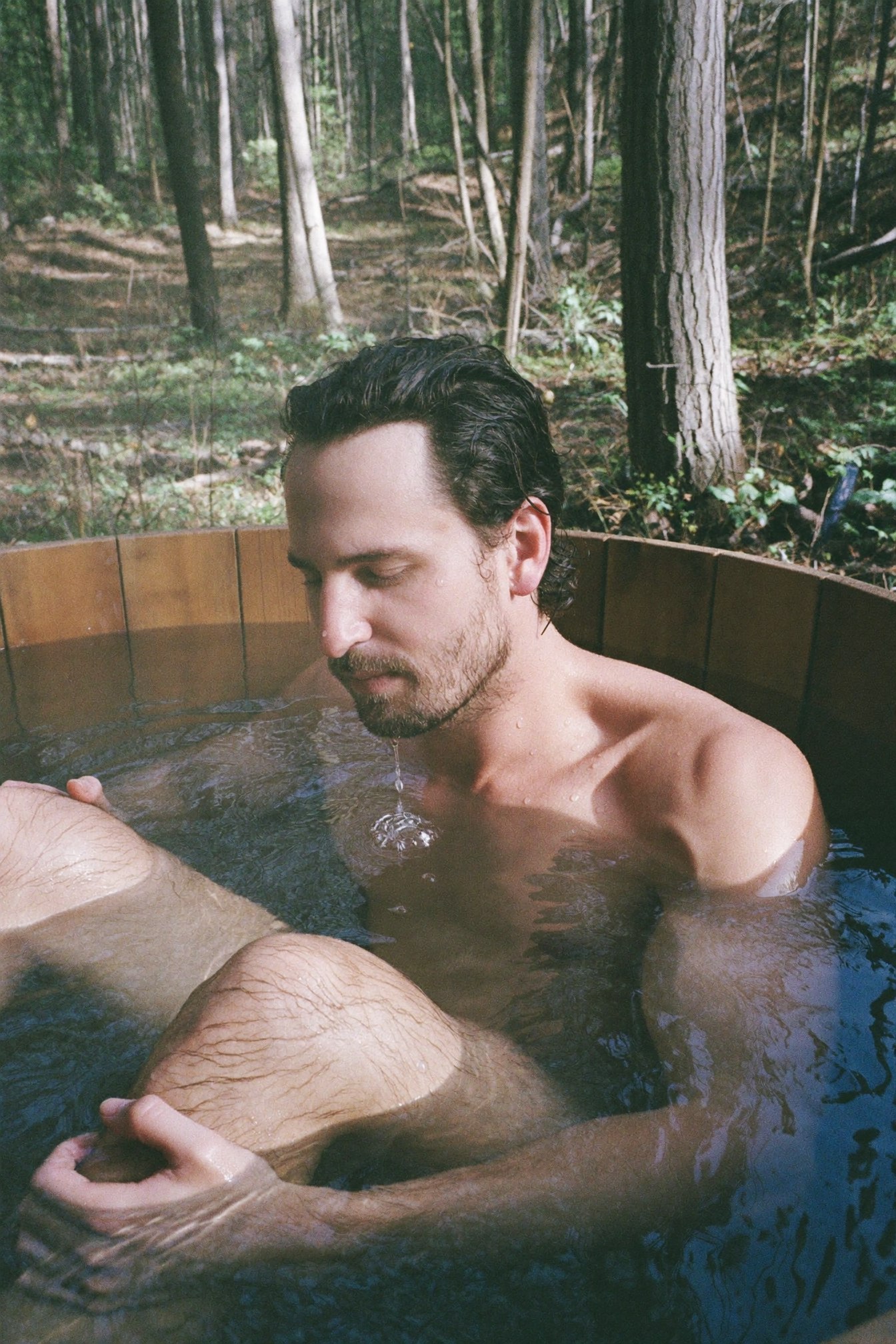
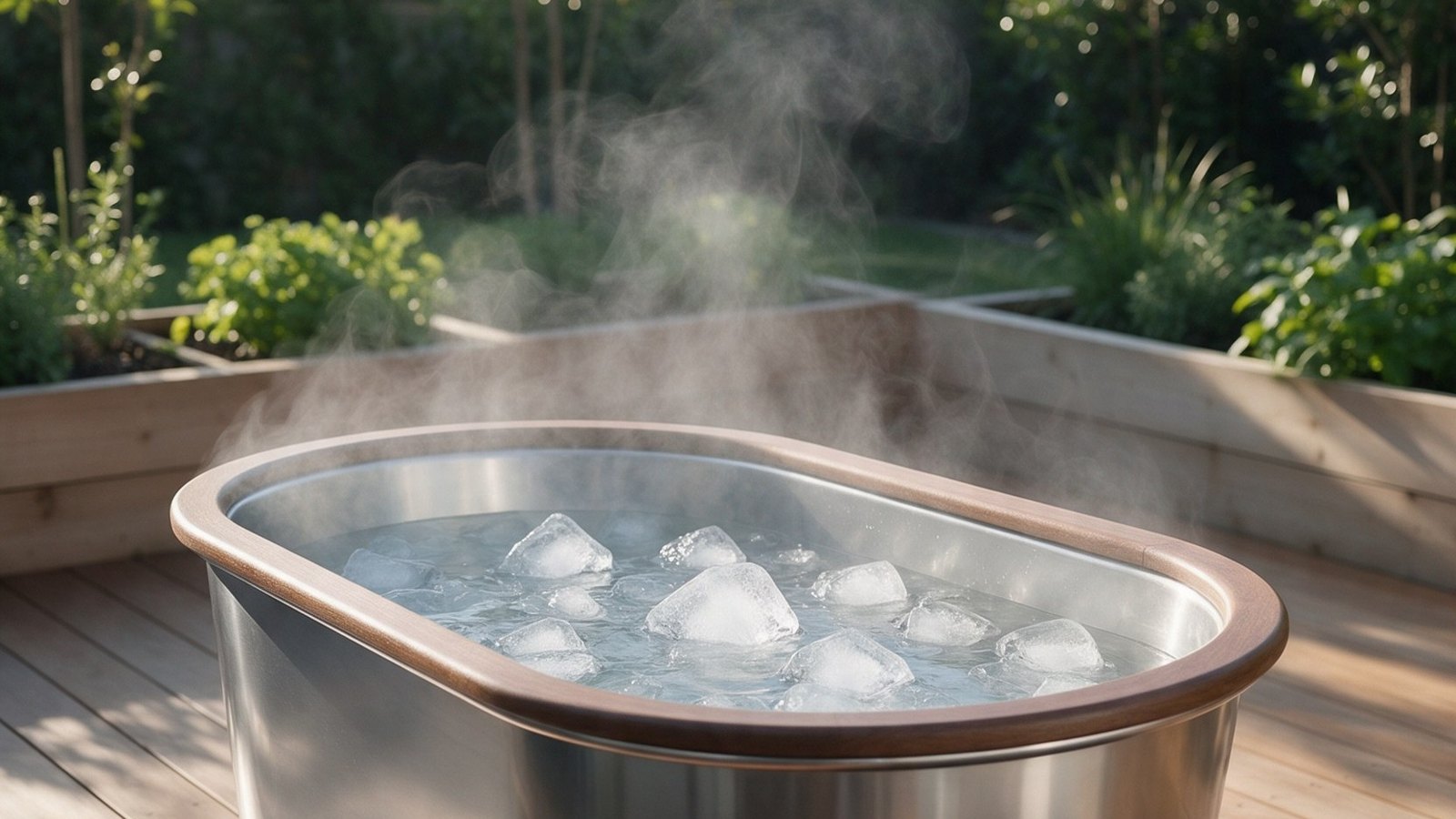
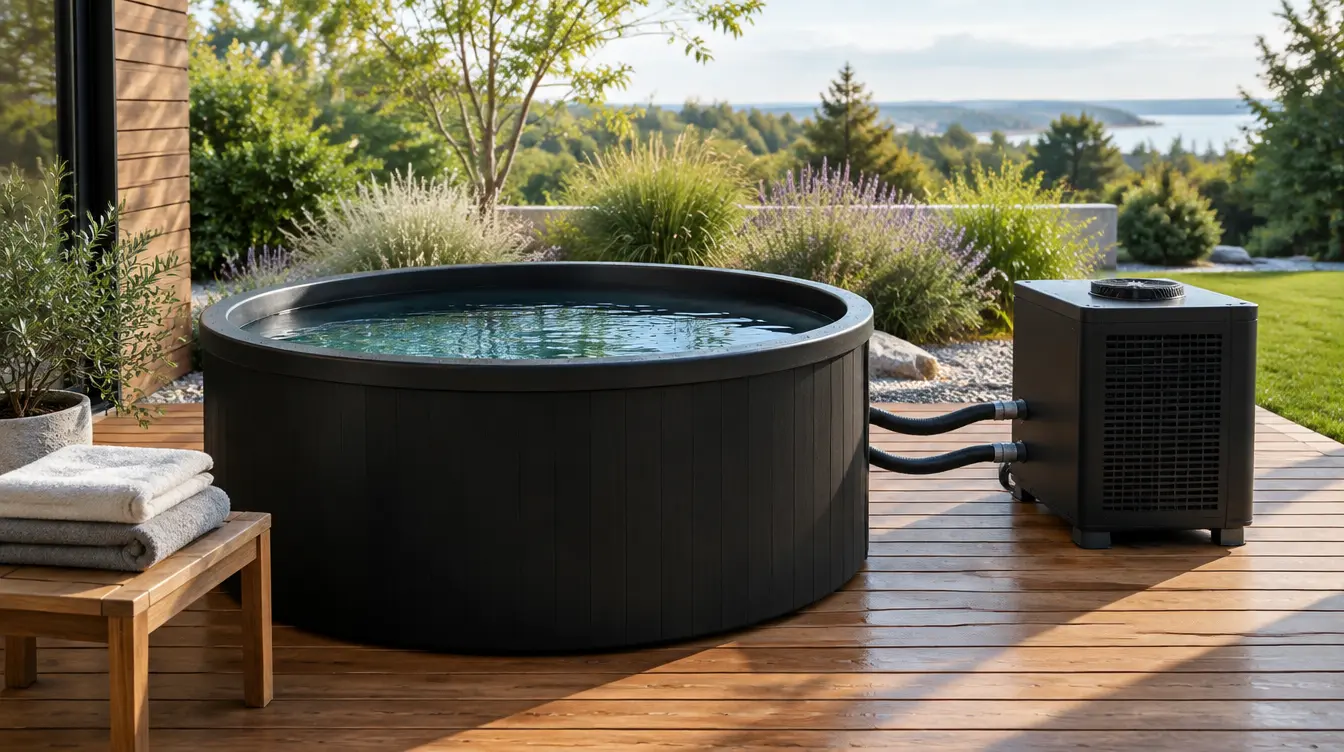
Short answer: For most healthy beginners, a cold plunge in the 50–60°F (10–15.5°C) range is a practical place to start, but there is no single “perfect” temperature. The American Medical Association advises starting around 50–60°F, while MD Anderson recommends newcomers avoid water colder than 50°F, begin with about 30 seconds, and build gradually. Colder is not automatically better: temperature, time, health history, supervision, and how reliably your system holds its setpoint all matter.
If your buying goal is steady, repeatable temperature rather than bags of ice and guesswork, explore PlungeChill cold-plunge systems and compare the controls, filtration, installation needs, and service access against the checklist below. This is a shopping link, not a medical recommendation.
Cold plunge temperature ranges at a glance
60–65°F: a gentler learning zone
This range can make it easier to practice calm breathing, a controlled entry, and a safe exit without immediately chasing an extreme number. PlungeChill’s beginner guidance uses 60–65°F as a starting band. Treat that as manufacturer guidance rather than proof that the range is right for every person.
50–59°F: a common progression range
This overlaps with the AMA’s suggested starting range. It is cold enough to create a pronounced cold-shock response, so duration should remain conservative and progression should be based on control—not bravado.
Below 50°F: not a beginner default
MD Anderson advises newcomers not to go colder than 50°F. At lower temperatures, use shorter exposure, experienced supervision, and individualized medical guidance where appropriate. A device being capable of a low setpoint does not make that setpoint necessary.
Why “how cold?” cannot be separated from “how long?”
Temperature and exposure time create a combined dose. A short session at a colder setting is not equivalent to a longer session at a warmer setting, and a person’s response can vary with sleep, hydration, recent exercise, illness, alcohol, medications, and ambient conditions.
MD Anderson suggests beginning with no more than about 30 seconds and increasing gradually, with a ceiling of roughly three to five minutes in its general guidance. Those numbers are not a challenge target. Stop sooner if you cannot control your breathing, feel confused or light-headed, develop chest pain, experience numbness that interferes with movement, or cannot exit normally.
A simple progression is safer than changing two variables at once:
- Choose a moderate temperature you can measure accurately.
- Keep the first exposure brief and the exit path clear.
- Repeat at the same temperature until breathing and movement remain controlled.
- Increase time slightly or lower temperature slightly—not both in the same session.
- Log the actual water reading, duration, and how you felt afterward.
Who should get medical guidance first?
Cold water can trigger an involuntary gasp, rapid breathing, increased heart rate, and blood-vessel constriction. The AMA and MD Anderson both emphasize extra caution for people with cardiovascular concerns. Talk with a qualified clinician before cold-water immersion if you have heart disease, a history of fainting, blood-pressure problems, circulation disorders, respiratory conditions such as asthma, neurologic conditions, are pregnant, or take medication that could alter heart rate, blood pressure, alertness, or temperature regulation.
Do not plunge alone when you are learning. Keep your head above water, avoid breath-holding games, and never combine a plunge with alcohol or sedating drugs. Use a stable step and handhold, keep a towel and warm clothing within reach, and make sure another person can help without entering the water.
What current research actually supports
Cold-water immersion has been studied most often for exercise recovery. A 2026 meta-analysis of 52 studies found no temperature range that was clearly superior across outcomes; subgroup differences were not statistically significant and the studies were highly heterogeneous. An umbrella review published in 2026 rated much of the available evidence low or very low quality and described the effects as context-dependent.
That means a colder setting should not be marketed as a guaranteed shortcut to better recovery. The umbrella review also found that repeated cold-water immersion after resistance training may blunt some strength and hypertrophy adaptations. If building muscle is the priority, consider separating cold immersion from strength sessions rather than making an immediate post-lift plunge automatic.
For a broader equipment comparison, see our guide to cold plunge tubs with chillers. For capacity planning, use our cold-plunge chiller sizing guide.
How to choose temperature controls that are useful in real life
A glossy minimum-temperature claim tells you less than the system’s ability to hold a repeatable setpoint in your climate and installation. When comparing a tub-and-chiller package, focus on the following practical questions.
1. Separate the setpoint from the measured water temperature
The number on a chiller controller may reflect a sensor inside the circulation loop rather than the exact temperature at your sitting position. Use a separate, water-safe thermometer during setup. Check readings before entry and at different parts of the tub to detect stratification or poor circulation.
2. Look for stable control, not the lowest advertised number
A well-insulated, covered tub that holds 55°F consistently may be more useful than a system that briefly reaches a lower figure under ideal conditions. Ask how ambient temperature, direct sun, tub volume, hose length, and indoor versus outdoor placement affect performance. Do not assume a rating achieved in one environment transfers to a hot garage or exposed patio.
3. Confirm circulation and filtration are sized as a system
Temperature control, pump flow, filter resistance, and hose routing interact. A restrictive filter or kinked hose can reduce circulation and create uneven cooling. The equipment should allow routine filter access without draining the entire setup.
4. Plan for service clearance and condensation
Chillers need airflow and accessible connections. Indoors, condensation can damage flooring or create a slip hazard; outdoors, weather exposure and local electrical requirements matter. Leave the manufacturer’s specified clearance, protect the floor, and use a qualified electrician when a dedicated circuit or protected outlet is required.
When comparing a complete setup, review current PlungeChill configurations alongside the installation manual and the actual conditions in your room or yard. Do not select solely from the lowest temperature shown on a product page.
A practical beginner temperature protocol
Before entry
Verify the water with an independent thermometer. Confirm that the floor is dry, the exit is unobstructed, and another adult knows you are using the plunge. Avoid entering when sick, intoxicated, dizzy, or immediately after becoming overheated.
First sessions
Use a moderate setting, enter slowly with the head above water, and prioritize a long, controlled exhale. Begin at roughly 30 seconds or less. Exit before breathing or coordination deteriorates.
Progression
Repeat a tolerable setup before increasing the dose. Change only time or temperature. A successful session is one you can leave under your own control, not the coldest number you can endure.
Afterward
Dry off, dress warmly, and let your temperature recover gradually. Do not drive or operate equipment while shivering hard, dizzy, or cognitively impaired.
Energy use: the temperature setting is only one variable
Running cost depends on chiller efficiency, climate, tub volume, insulation, cover quality, pump schedule, filter condition, and how often the lid is opened. Lowering the setpoint increases the temperature difference the system must maintain, especially in warm weather. No honest national dollar estimate works without the equipment’s measured power draw and the household’s electricity rate.
To reduce waste, use a fitted cover, shade an outdoor tub when allowed, maintain airflow around the chiller, clean filters on schedule, and avoid repeatedly warming and re-cooling a large volume without a plan. A setback temperature between sessions can help in some installations, but the best schedule depends on recovery time and manufacturer guidance.
Water care affects temperature performance
Dirty filters and biofilm can reduce flow and undermine cooling performance. Follow the manufacturer’s sanitation instructions, test water as directed, and replace water based on actual use and the care system—not a social-media rule. Never mix chemicals casually, and store them away from children and heat.
Our cold-plunge water-care guide explains filters, sanitizers, and maintenance tradeoffs in more detail.
Cold plunge buying checklist
- Temperature range: useful for your intended routine without paying only for an extreme minimum.
- Independent measurement: space and access for a water-safe thermometer.
- Capacity: chiller matched to tub volume, climate, insulation, and recovery expectations.
- Controls: clear setpoint adjustment, readable display, and restart behavior after a power interruption.
- Filtration: accessible filter, compatible pump flow, and replacement availability.
- Installation: electrical protection, drainage, ventilation, condensation control, and service clearance.
- Ownership: warranty terms, support channel, replacement parts, and documented maintenance.
Use that list while you compare PlungeChill options and current specifications. Verify the exact configuration before purchase because product details can change.
Frequently asked questions
Is 40°F too cold for a beginner?
It is colder than the conservative beginner guidance cited here. MD Anderson advises newcomers not to go below 50°F. A 40°F plunge creates a more intense cold-shock response and is not a sensible starting target.
Is 60°F cold enough for a cold plunge?
Yes. Sixty degrees can be a useful learning temperature, especially for practicing controlled breathing and safe entry and exit. The point is a repeatable routine, not qualifying for an arbitrary threshold.
How long should I stay in at 50–60°F?
There is no universal prescription. MD Anderson recommends beginners start at about 30 seconds and build gradually, with general sessions not exceeding roughly three to five minutes. Individual health and response matter more than completing a target time.
Should I plunge immediately after lifting weights?
Not automatically. A 2026 umbrella review reported that repeated post-exercise cold-water immersion may impair some strength and hypertrophy adaptations. If those are your goals, separate the plunge from resistance training and discuss the routine with a qualified professional.
Do I need a chiller?
Not for occasional cold-water exposure, but a chiller can make temperature repeatable and reduce dependence on ice. It also adds electrical, filtration, cleaning, space, and service requirements. A reliable thermometer remains important.
Can I trust the controller display?
Use it as one data point. During setup, compare it with a separate water-safe thermometer in the tub. Large or persistent differences can indicate sensor placement, circulation, or calibration issues.
Bottom line
For most beginners, start conservatively around 50–60°F—or warmer if needed—keep the first exposure brief, and change only one variable at a time. The best buying decision is a system that holds a measured, useful temperature safely in your actual environment. If a controlled, filtered setup fits your plan, see current PlungeChill systems and verify installation requirements before ordering.
Affiliate disclosure: This article contains sponsored affiliate links. If you buy through them, BeautyTech Hub may earn a commission at no extra cost to you. Editorial recommendations are based on the criteria explained above; we do not claim personal testing or medical results.