Indoor Infrared Sauna Ventilation & Moisture: A Room-by-Room Buying Checklist
Quick answer: A compact infrared sauna normally does not need the steam exhaust system used by a traditional wet sauna, but the cabin still needs the airflow, clearances and post-session drying specified by its manufacturer. The surrounding room should be reasonably dry, ventilated and free of condensation. Do not seal the cabin vents, assume every sauna is identical, or install a high-power unit without verifying its electrical requirements.
This guide focuses on an overlooked buying decision: whether your existing bedroom, spare room, bathroom-adjacent area, or basement is a suitable home for an infrared sauna. It is not another comparison of sauna versus cold plunge or of 120V versus 240V circuits. The practical question is what happens to air, moisture, wood and finishes around the unit over years of use.
What is different about infrared sauna moisture?
Infrared cabins typically operate without pouring water over hot stones. That means they do not intentionally create the same bursts of steam as a traditional Finnish-style sauna. But people still sweat, towels become damp, and the cabin warms its surroundings. Moisture management therefore still matters, even if dedicated ductwork is not necessary for a particular prefabricated unit.
SaunaCloud's published guidance describes normal room air exchange and post-session airing for its infrared cabins. Other manufacturers may use different vent arrangements or require different clearances. The manual for the exact model always takes precedence over general advice or another company's website. An intentionally designed gap around a sauna door may be part of the airflow system; do not fill it with weatherstripping without written manufacturer approval.
Indoor sauna placement: five checks before you order
1. Check ambient moisture, not just floor area
A room that smells musty, shows condensation, or has a history of water intrusion is a poor starting point. Fix the underlying moisture problem before bringing in wood panels or electrical equipment. The EPA recommends keeping indoor relative humidity below 60% where possible, ideally around 30–50% for general mold prevention. That is room-level building guidance, not a sauna-specific operating specification.
2. Confirm actual cabin air paths
Ask where fresh air enters and warm air exits the cabin, whether a door gap is intentional, and whether vents must remain unobstructed. Never cover a heater opening or block a safety vent to make the cabin feel hotter.
3. Measure service and door clearance
Measure ceiling height, the door swing, adjacent furniture, access for assembly, and clearance around the cabin. Different products require different space. Do not use a generic six-inch rule as a substitute for the model's installation drawings.
4. Plan drying after every session
Use clean towels, wipe up sweat according to the manual, and let the cabin dry as directed. Avoid soaking wood, spraying heaters, or using aggressive household cleaners without manufacturer approval.
5. Verify electrical and local requirements
Match the model's nameplate and manual to the outlet, circuit and local electrical code. Have a licensed electrician evaluate dedicated-circuit needs. A humid or wet location may create additional electrical-safety considerations.
For a model-specific starting point, review SaunaCloud's current cabin specifications (paid link) and request the installation manual before committing to a room.
Which room is best for an infrared sauna?
Spare bedroomOften convenient if dry, climate-controlled and roomy enough for door swing, service access and air circulation. Check the floor and electrical supply.
Home gymConvenient for a deliberate wellness routine. Keep exercise equipment away from the sauna's clearance zone and allow room to cool between activities.
BasementMay offer space and a solid floor, but must be checked for dampness, flooding, condensation, temperature and suitable electrical service.
Bathroom-adjacent roomCan work when the surrounding area is dry and properly ventilated; direct shower spray, persistent humidity and electrical proximity demand extra scrutiny.
Spare bedroom installation: what to ask
A bedroom can be attractive because it is climate-controlled and close to daily routines. Before ordering, consider whether the cabin will obstruct a closet, window, exit, HVAC register or furniture. Ask how the cabin is assembled and whether it can be disassembled later. Measure the delivery route, including stair turns and doorway widths, not merely the empty corner.
Think about heat and sound. A sauna may make a room warmer during use, and some equipment has fans or electrical switching sounds. If a room is also used for sleeping, ask whether residual heat and the post-session airing routine will be comfortable. Check manufacturer instructions on ventilation and minimum surrounding room temperature rather than improvising an enclosure around the cabin.
Basement installation: moisture comes first
A basement with concrete floors can seem ideal, but a history of leaks or condensation should be addressed before installation. Look for water marks on walls, a persistent musty smell, damp carpet, or signs of seepage after rain. The EPA's moisture-control guidance emphasizes fixing moisture sources and drying wet materials promptly.
A dehumidifier may be appropriate in some basements, but it does not repair leaks or waterproof a poorly constructed space. If you are uncertain about structural moisture, consult a qualified building professional. A sauna cabin should not be used to “dry out” a damp basement; it is an appliance, not a remediation system.
Bathroom-adjacent sauna: what changes?
It is tempting to place an infrared cabin next to a shower for a spa-like sequence. That can be convenient, but the room may already experience frequent humidity peaks and wet floors. Confirm the exact product's approved installation environment, its required separation from water, and the building's exhaust ventilation. Avoid assuming that because a product is called a sauna, its electrical components are automatically suitable for wet-room exposure.
Where flooring is slippery when wet, plan a safe walking route. Keep electrical cords and accessories away from splash zones. If the sauna is hardwired or requires electrical modifications, use a licensed professional who can evaluate the specific room and applicable code.
How to avoid trapped heat and moisture
Do not block intentional ventilation gaps
Some cabin manufacturers intentionally leave a gap at the door and use a roof vent or other air path. A Clearlight support article describes the door gap as a safety-related design feature in its products. Never assume that a gap indicates poor workmanship or should be sealed.
Do not wrap the sauna in insulation without approval
Building a tight closet around a prefabricated cabin may obstruct required clearances and service access. Even if the goal is faster warm-up, modifications can create fire, overheating, or warranty issues. Ask the manufacturer about approved built-in installations instead.
Do not confuse infrared cabins with steam rooms
Traditional sauna rooms, steam rooms, and prefabricated infrared cabins can have materially different ventilation and waterproofing requirements. A design guide for one cannot be applied wholesale to another. A professional installation should begin with the actual model's documentation.
Cost planning: what can change the budget?
The purchase price is only one part of an indoor sauna project. Possible costs include electrical work, delivery, assembly, floor preparation, humidity management for the surrounding room, and any professional review required by your building or municipality. These are not automatic charges: a suitable room may need little work, while a problematic basement could need substantial remediation before any sauna purchase is sensible.
Compare two quotes on the same scope. Ask whether the supplier's price includes delivery to the final room, assembly, electrical connection, packaging removal, warranty labor, and future replacement parts. Avoid committing to a custom installation until the seller and electrician agree on power, clearance and site conditions. Our home infrared sauna cost and planning guide covers the broader budgeting framework.
What to ask a premium sauna seller
Before paying a deposit, request the installation manual, exact cabinet dimensions, required clearances, airflow design, maximum ambient humidity if specified, cleaning instructions, electrical nameplate, warranty exclusions and return terms. Ask whether the cabin is rated for the room you have, rather than relying on a showroom photograph.
If you are considering a custom or premium cabin, explore SaunaCloud's infrared sauna options (paid link) and request written confirmation of the model's placement and ventilation requirements. This is a comparison starting point, not an endorsement of a specific model's suitability for your home.
When comparing quotes, check SaunaCloud's custom sauna options (paid link) against the written ventilation, electrical and delivery requirements for your address.
Maintenance routine after installation
After each session
Follow the manual's cooling and drying instructions, remove damp towels, wipe moisture from approved surfaces, and leave the cabin open if instructed. Do not spray water on electrical elements. Make sure the room can return to its normal temperature and humidity.
Every week or as instructed
Check for unusual odors, damp patches, loose hardware or visible changes in the wood. Clean with approved products only. Confirm that ventilation openings are not obstructed by dust, towels or furniture.
Periodically
Inspect cords, plugs and controls visually without opening electrical enclosures. Contact the manufacturer for servicing. Keep the manual and warranty documentation accessible, especially if you move the cabin or renovate the room.
Safety and realistic expectations
Sauna heat can be pleasant, but it is not risk-free. Dehydration and dizziness are important concerns. The Cleveland Clinic recommends caution and medical advice for certain health conditions, pregnancy and medication use. Do not use sauna sessions as a substitute for medical care, and do not assume sweating “detoxifies” the body.
For a broader home-installation comparison, read our 120V versus 240V electrical requirements guide and sauna wood selection guide. These cover different buying decisions without duplicating the moisture checklist here.
Frequently asked questions
Does an infrared sauna need an exhaust fan?
Not necessarily. Many prefabricated infrared cabins rely on built-in passive airflow, but follow the exact manufacturer's installation requirements.
Can I put an infrared sauna in a bedroom?
Potentially, if the model is approved for indoor residential use and the room meets clearance, ventilation, electrical and other requirements.
Does sweating make the room humid?
Sweat introduces moisture, though infrared cabins do not intentionally generate steam like wet saunas. Drying and normal room ventilation still matter.
Can I put a sauna in a damp basement?
Resolve leaks, condensation and persistent dampness first. A sauna does not solve an underlying moisture problem.
Should I seal the gap under the sauna door?
No, not without explicit manufacturer approval. Some gaps are intentional airflow or safety features.
What indoor humidity is safe for a sauna room?
There is no universal sauna-specific number. The EPA suggests below 60% relative humidity, ideally 30–50%, for general indoor mold prevention; follow any stricter product requirements.
Do I need a waterproof floor?
That depends on the model and surrounding environment. A prefabricated infrared cabin does not necessarily need the same waterproofing as a steam room.
Does an infrared sauna need a floor drain?
Many dry infrared cabins do not, but do not generalize this to custom steam or wet installations.
Can I install a sauna without an electrician?
Only if the exact appliance and existing outlet are suitable and local rules permit. When new circuits or wiring are needed, use a qualified electrician.
Bottom line: buy for the room you actually have
A premium indoor sauna should fit the room's airflow, dryness, floor, electrical supply and service access. The best buying decision starts with an installation manual and a room inspection, not a promise that every sauna is plug-and-play. Compare SaunaCloud sauna configurations (paid link) and ask for project-specific specifications before placing an order.
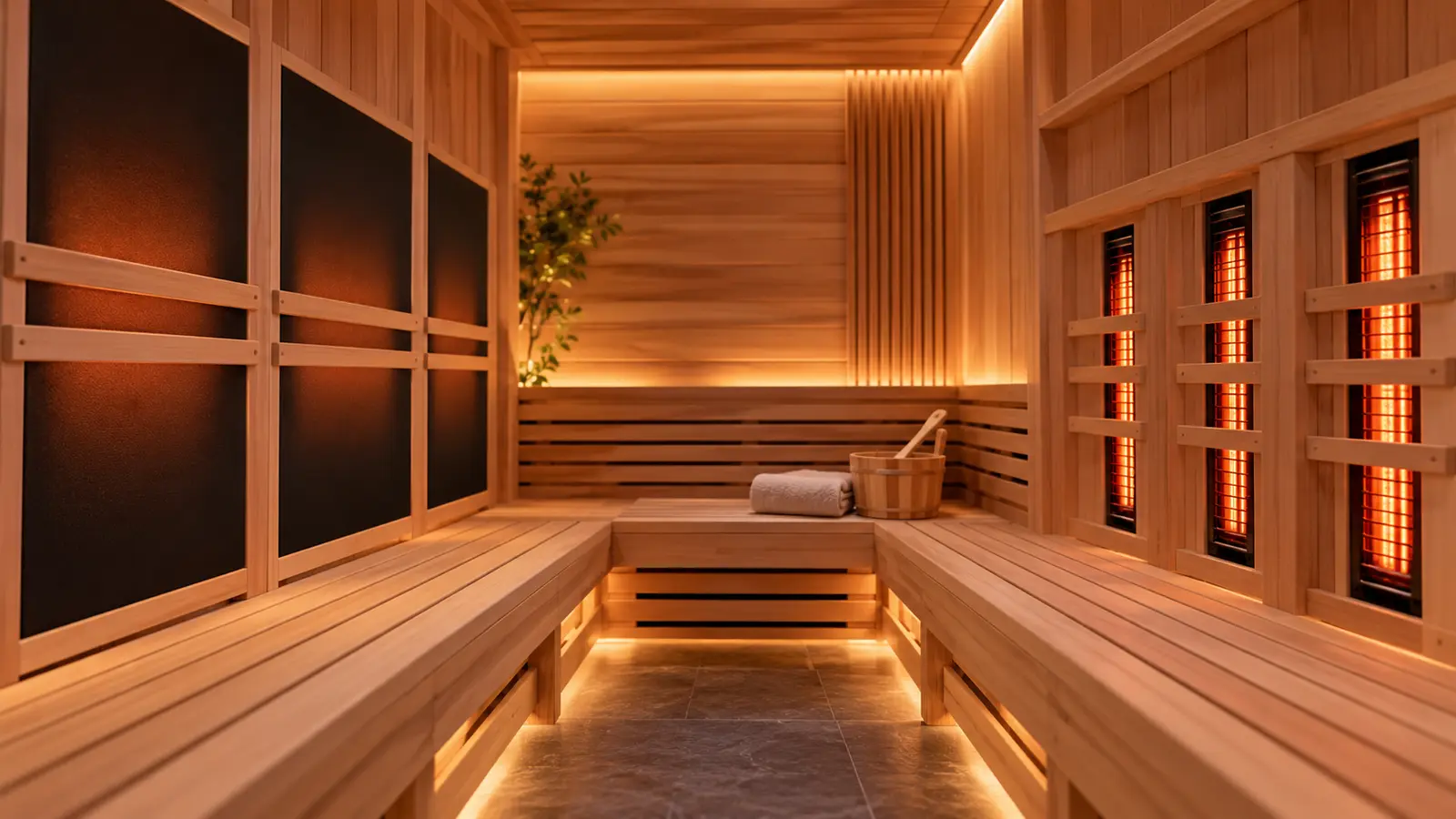
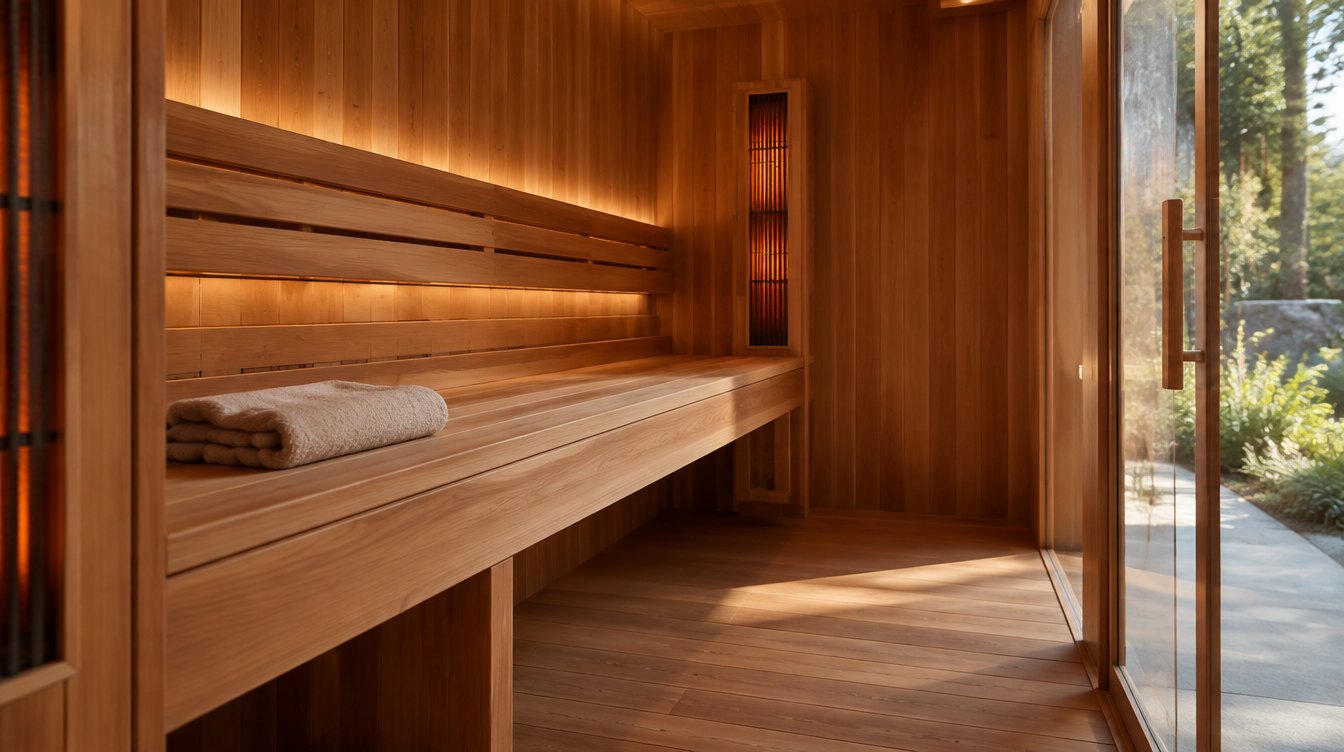
Featured image credit: Auroom Wellness / Unsplash. Illustrative sauna photograph; not a SaunaCloud product image.
Affiliate disclosure: This article contains SaunaCloud affiliate links. BeautyTech Hub may earn a commission from qualifying purchases made through these links, at no additional cost to you. Product suitability, current prices, and commission attribution have not been independently verified.