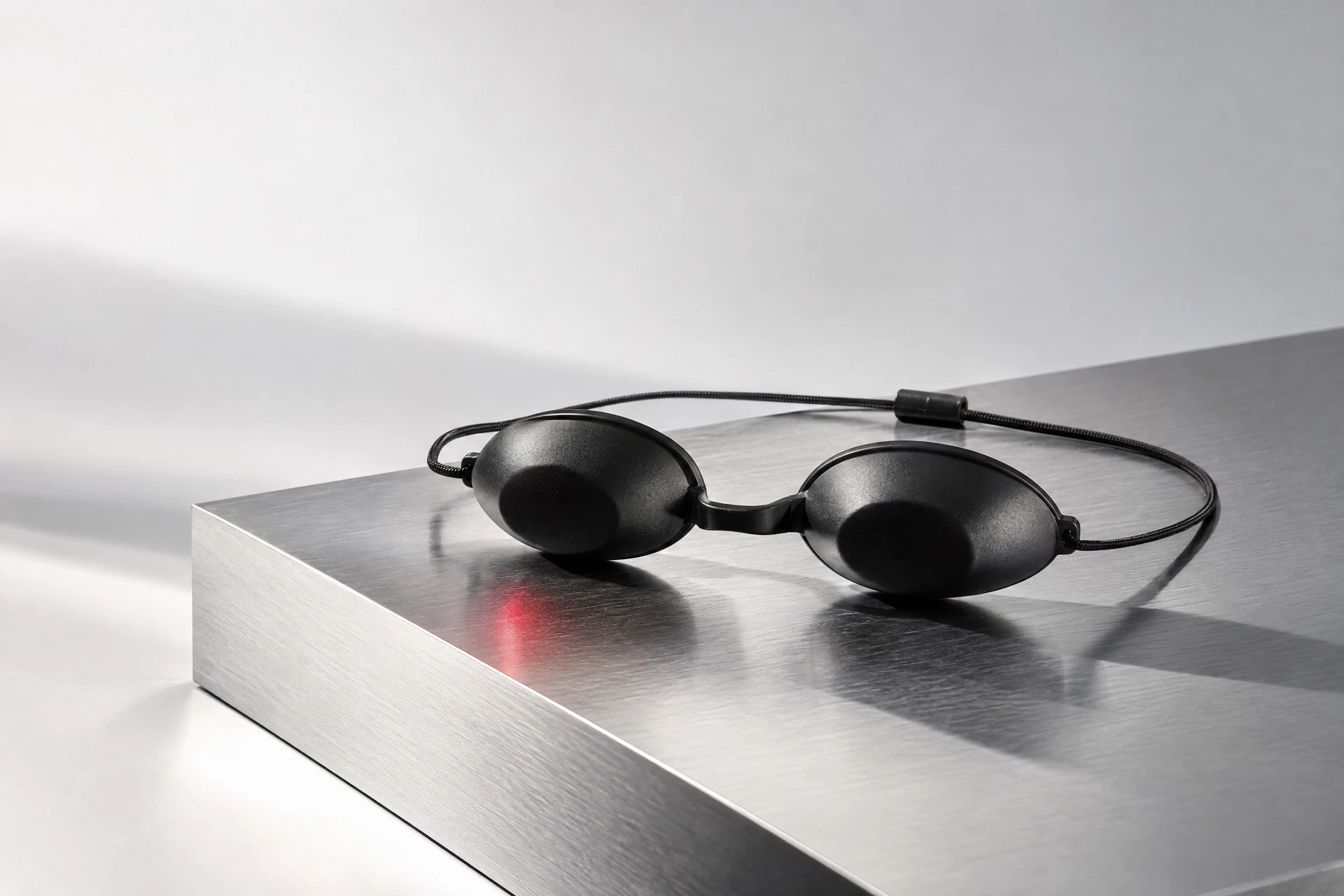
LED Face Mask Eye Protection: Goggles, Shields & Buying Checklist
LED face mask eye protection: compare built-in shields and goggles, check red/NIR modes, and know what to ask before buying an at-home LED mask.
The archive
A considered archive of practical stories for everyday rituals.
LED face mask eye protection: compare built-in shields and goggles, check red/NIR modes, and know what to ask before buying an at-home LED mask.
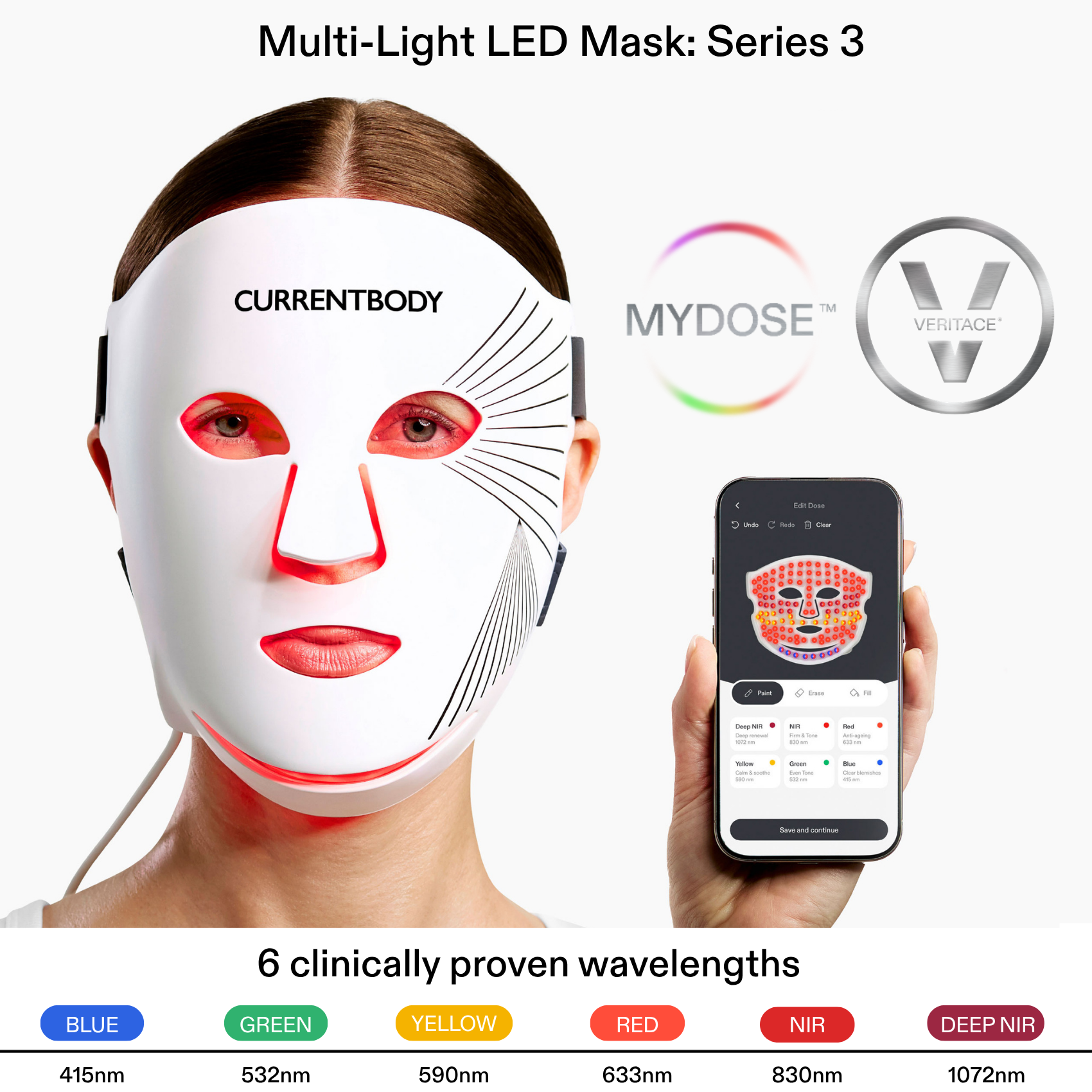
Compare six LED face masks by exact wavelengths, session time, fit, controls and model-matched FDA 510(k) records.
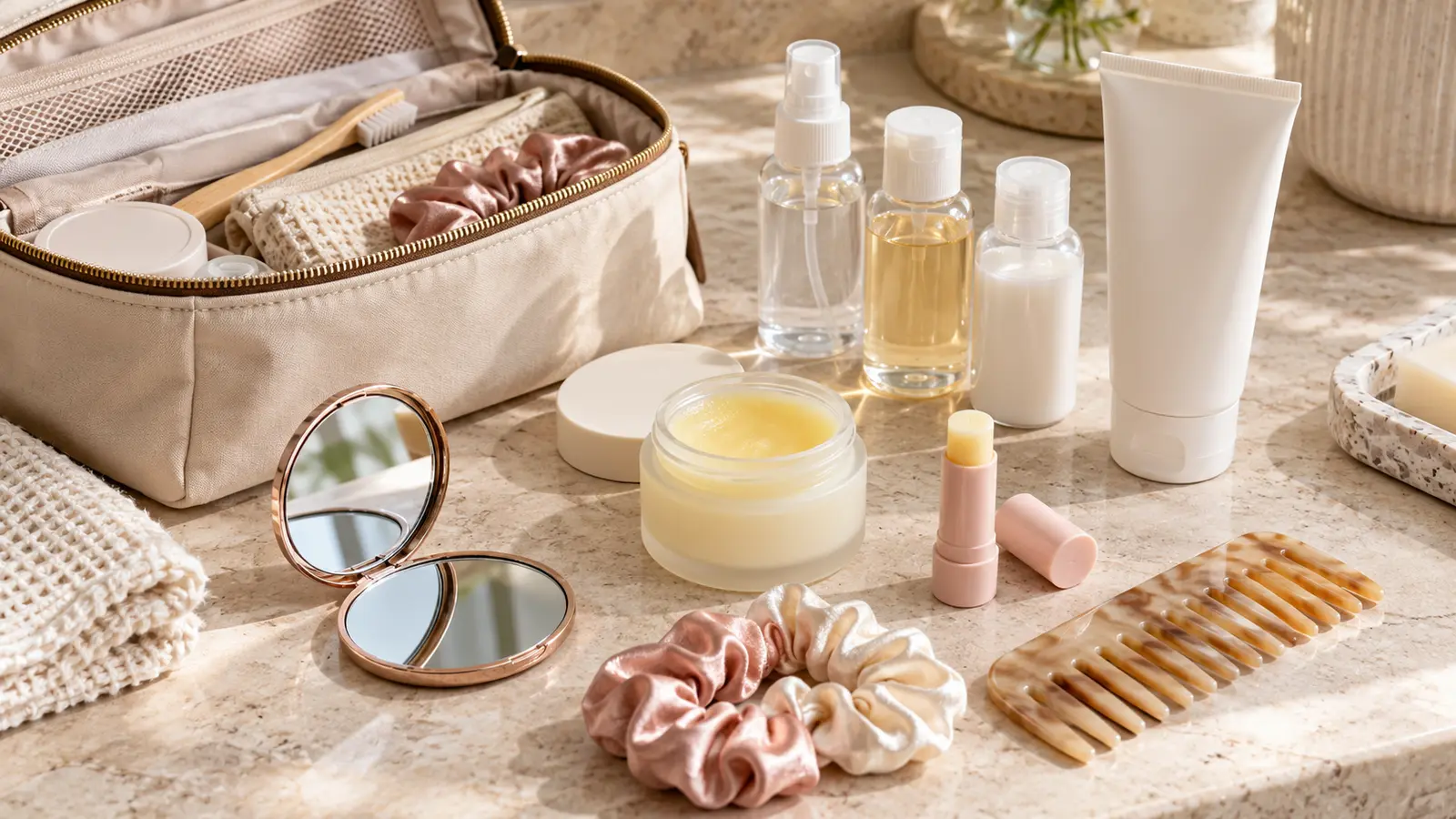
Four practical Amazon travel-beauty picks for cleansing, hair storage, precision grooming and blemish coverage, plus a TSA packing checklist.

A practical guide to affordable beauty basics that are easy to use, easy to clean and more likely to earn a permanent place in your routine.
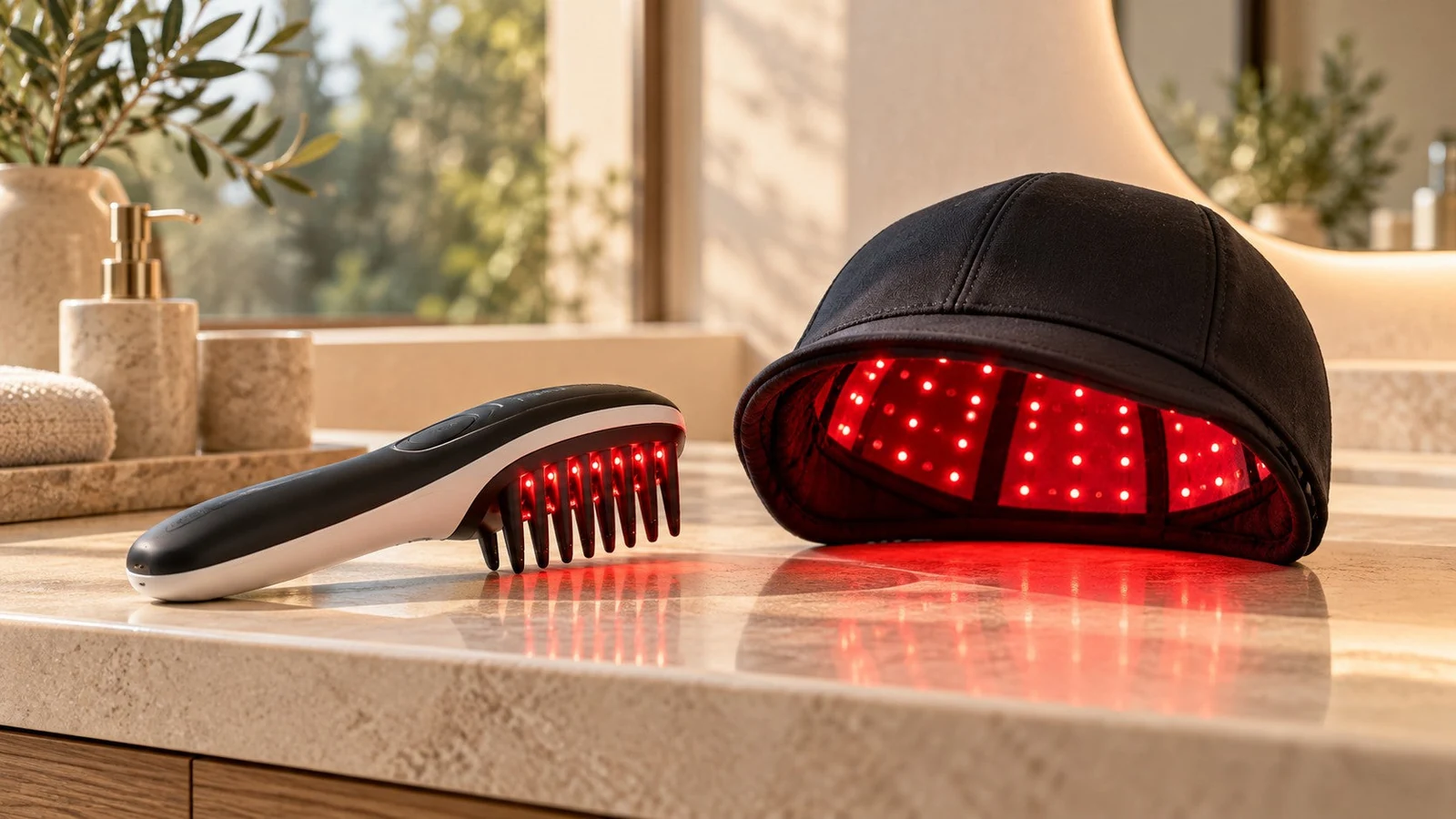
LED scalp comb or laser cap? Compare scalp coverage, FDA clearance, evidence, cost and safety. Know when a grooming tool differs from hair-loss therapy.
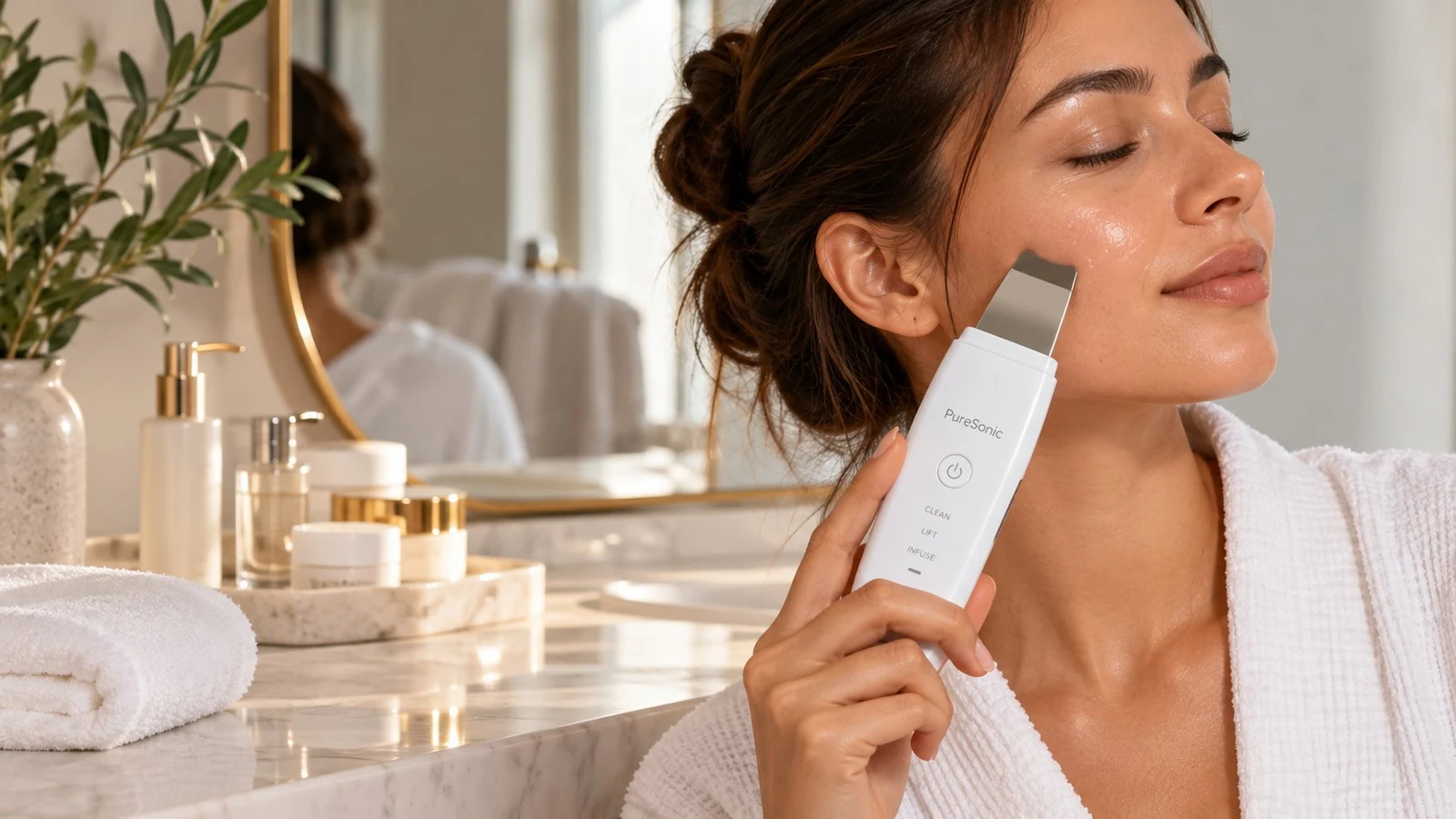
Ultrasonic skin spatula vs salicylic acid: compare blackhead care, irritation risks, routines and when to choose PureSonic.
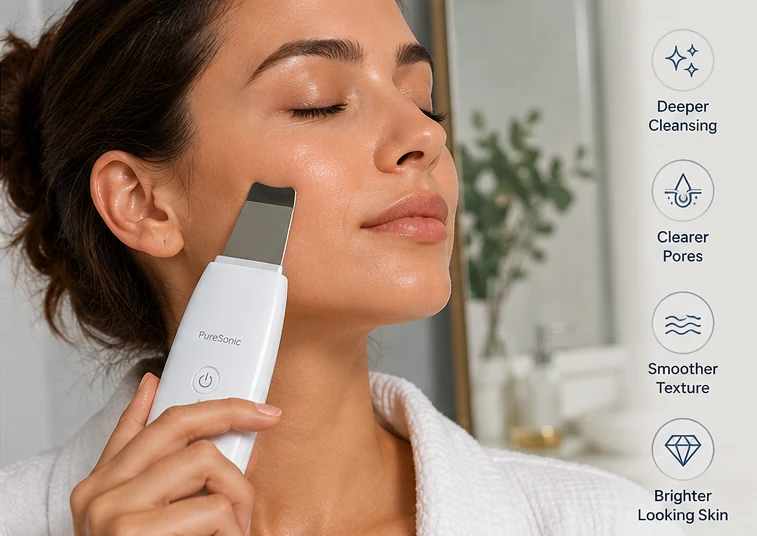
Quick answer: How often should you use an ultrasonic skin spatula?Start conservatively and follow your specific device's manual. For many people, occasional use—rather than daily scraping—is a more cautious approach, especially if skin is sensitive. Frequency should be reduced or use stopped if redness, tightness, tend
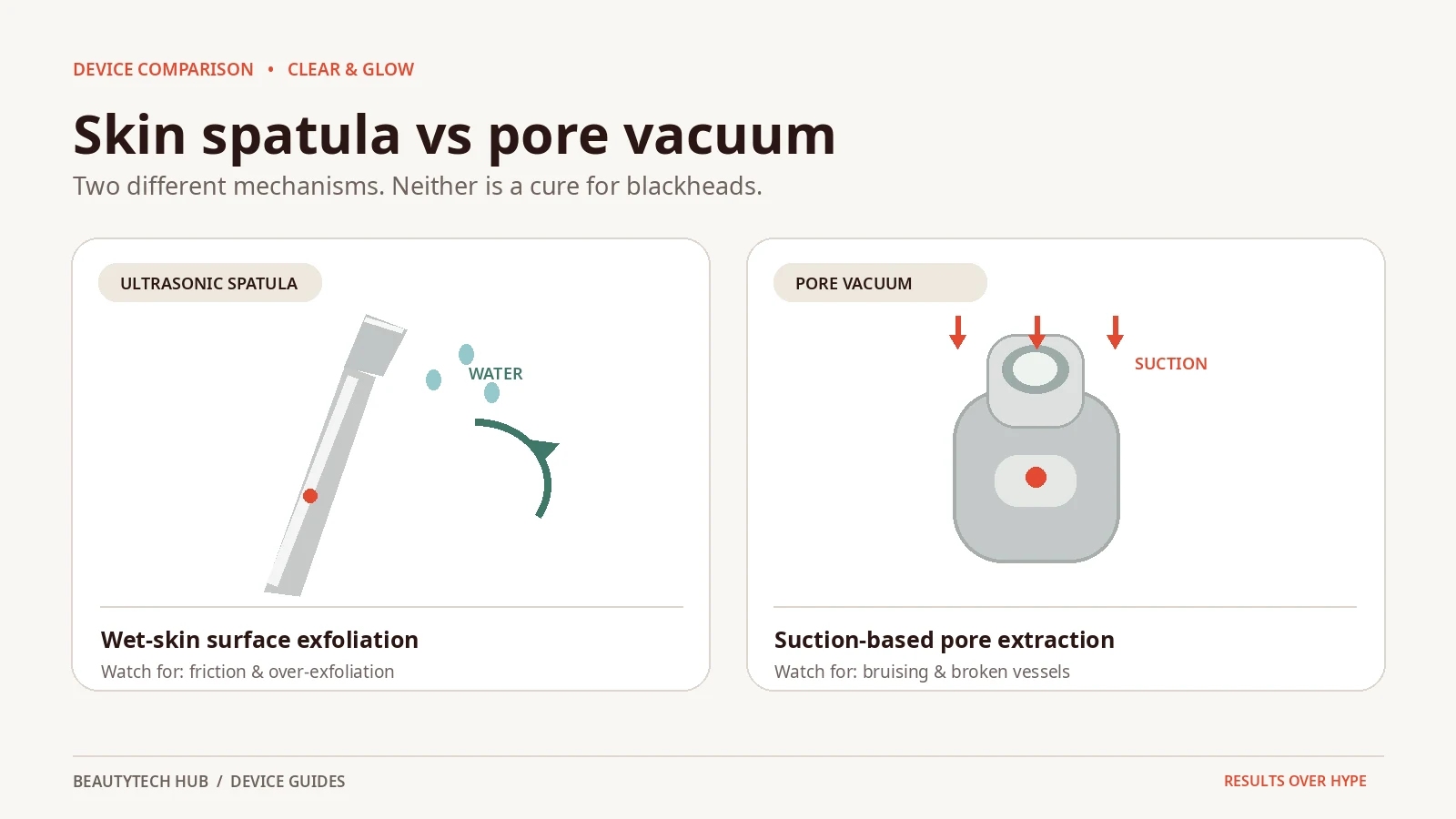
Quick answer: Ultrasonic skin spatula or pore vacuum?An ultrasonic skin spatula uses a vibrating metal edge on wet skin to help lift surface debris, while a pore vacuum uses suction to pull material from pores. Neither is a guaranteed treatment for blackheads. A skin spatula may suit a gentle cleansing routine when use
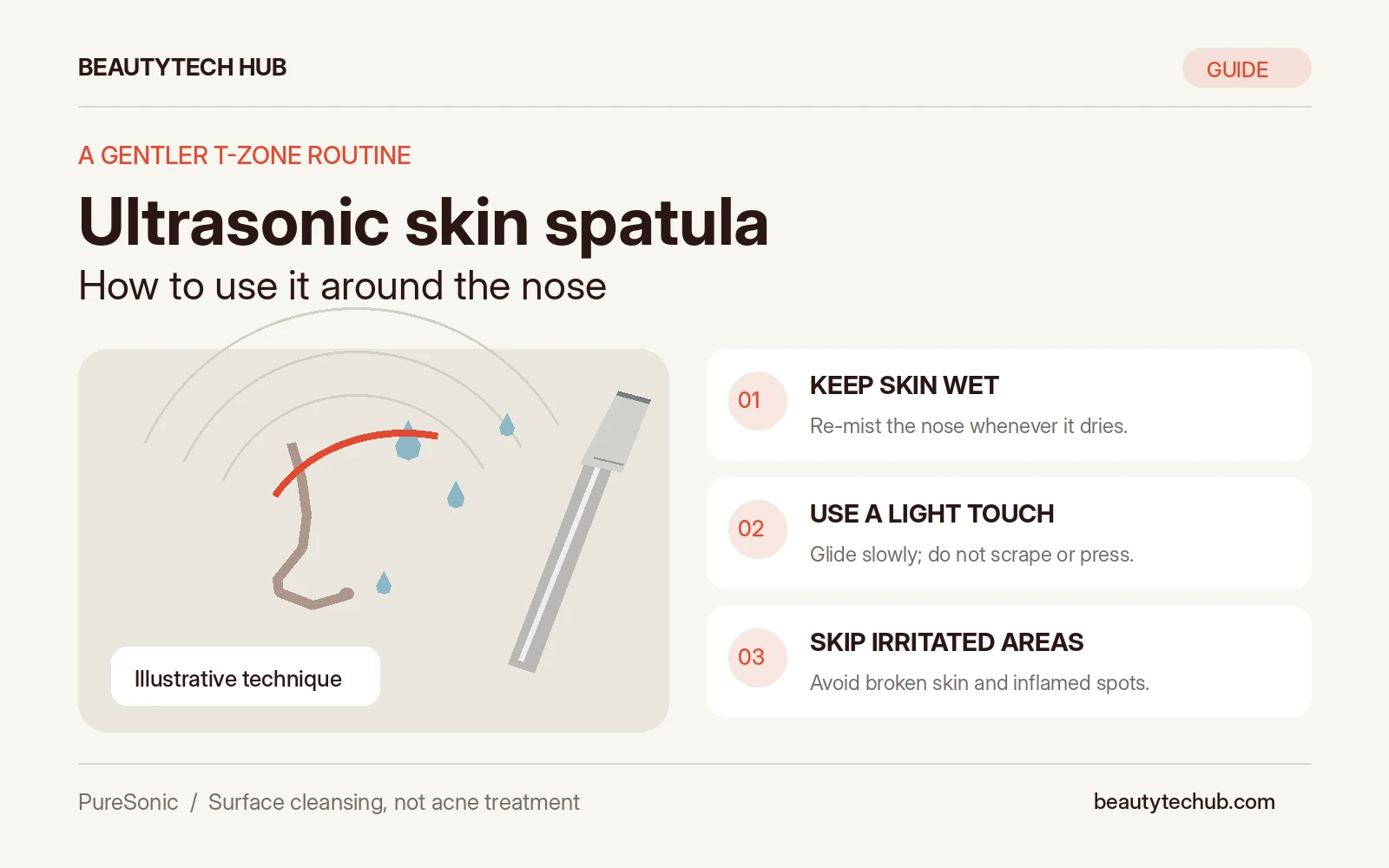
Step-by-step: how to use an ultrasonic skin spatula on your nose on wet skin, how often to do it, common mistakes, and why nose dots aren't always blackheads.
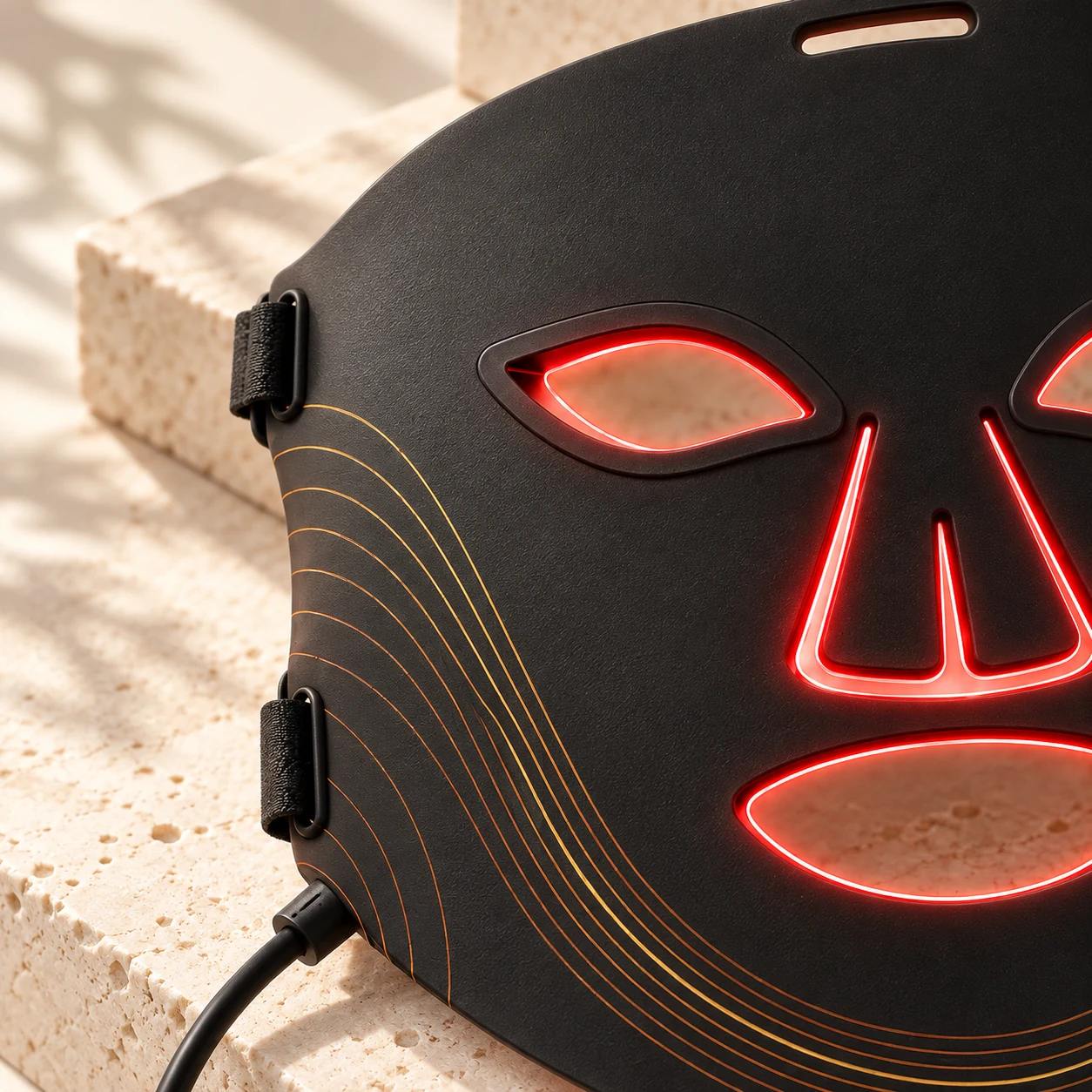
Red light therapy mask before and after: a realistic week-by-week timeline, how to take photos you can trust, and what affects how much change you see.
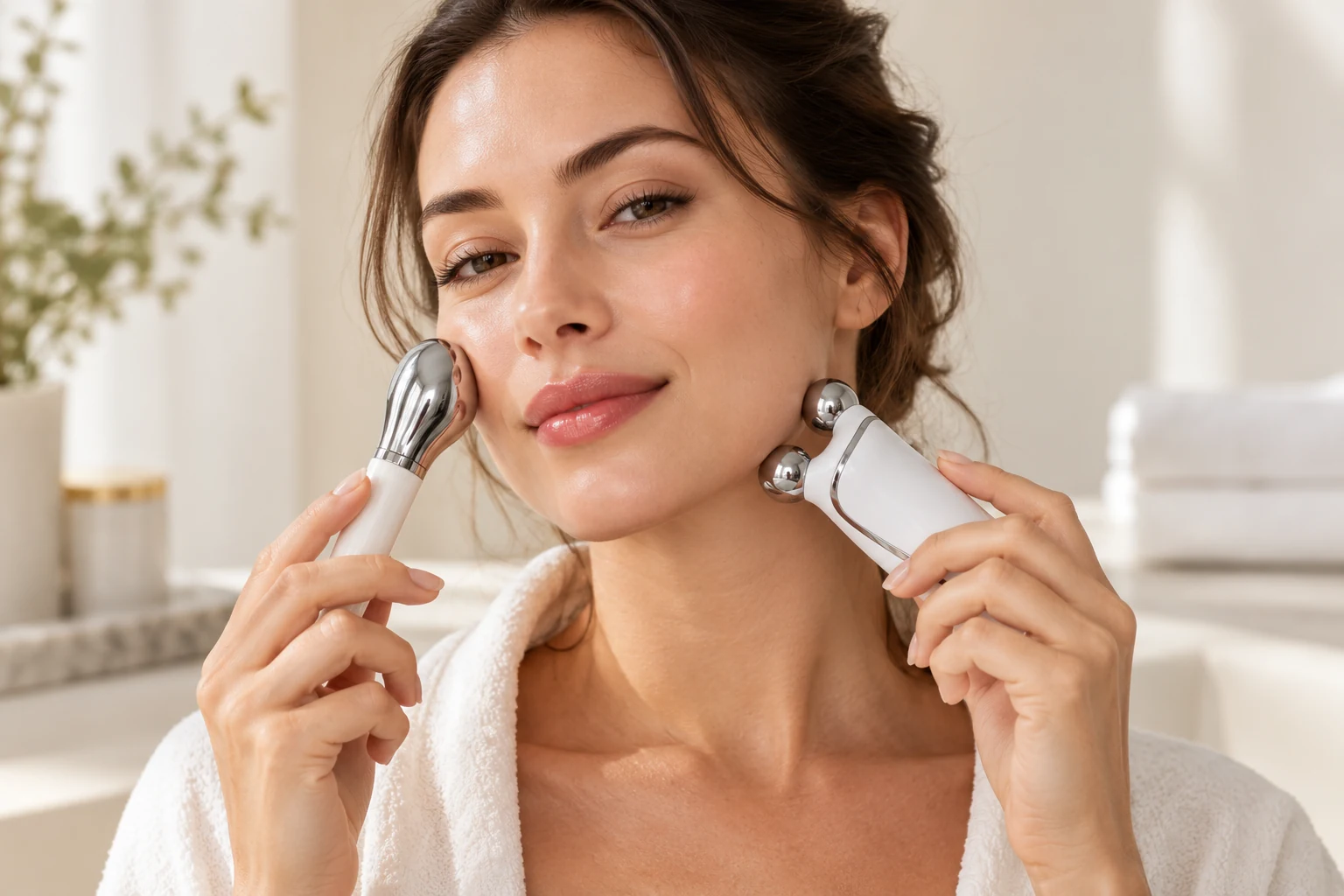
Cold facial device or microcurrent for morning puffiness? Compare how each one works, the session time and which tool fits a quick morning routine better.
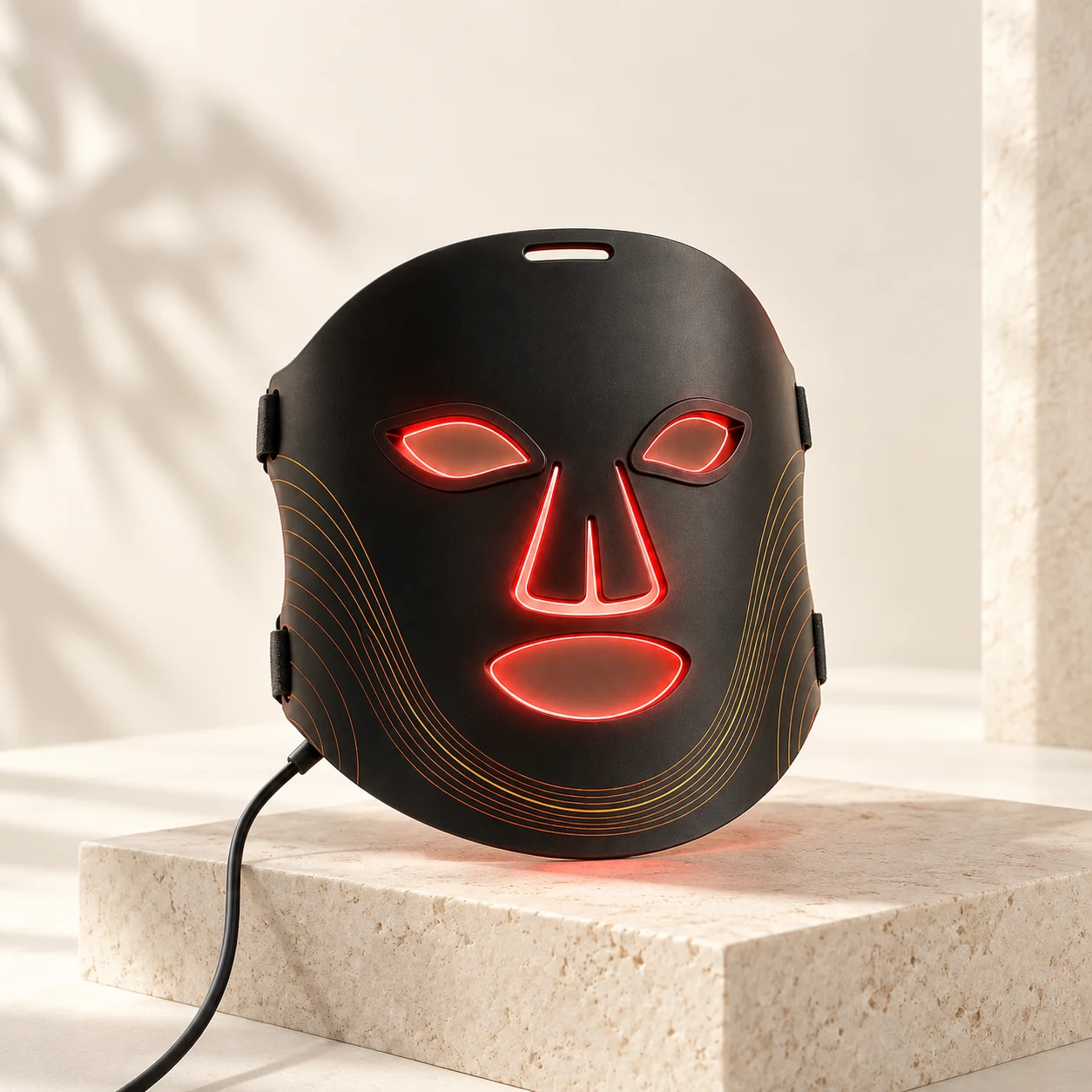
Why facial skin can look less firm, what skincare can realistically change, and how LED, microcurrent and EMS devices fit into an at-home beauty routine.
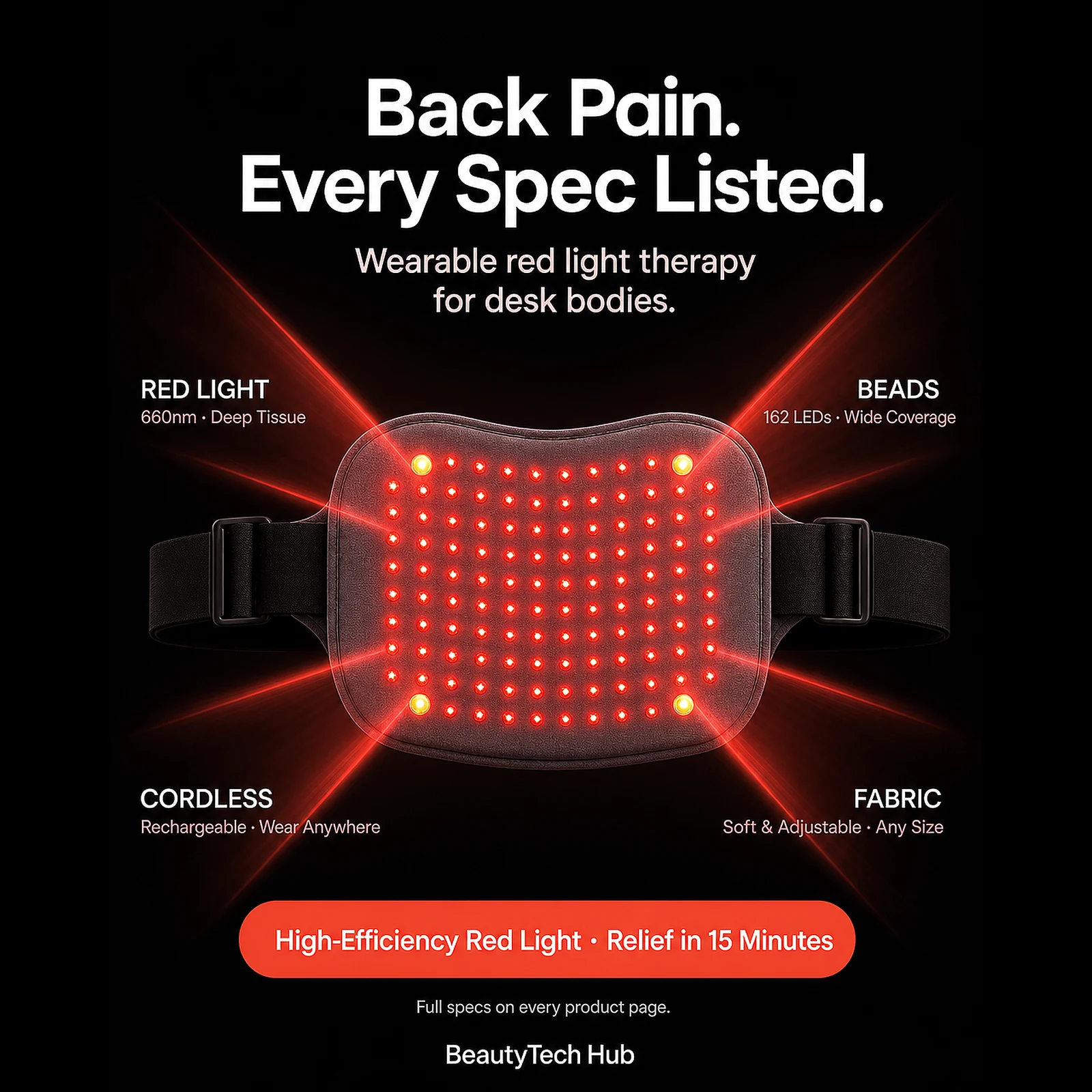
Red light belt or LED face mask? Compare wavelengths, coverage, session time and use cases to decide which red light device fits your at-home routine.
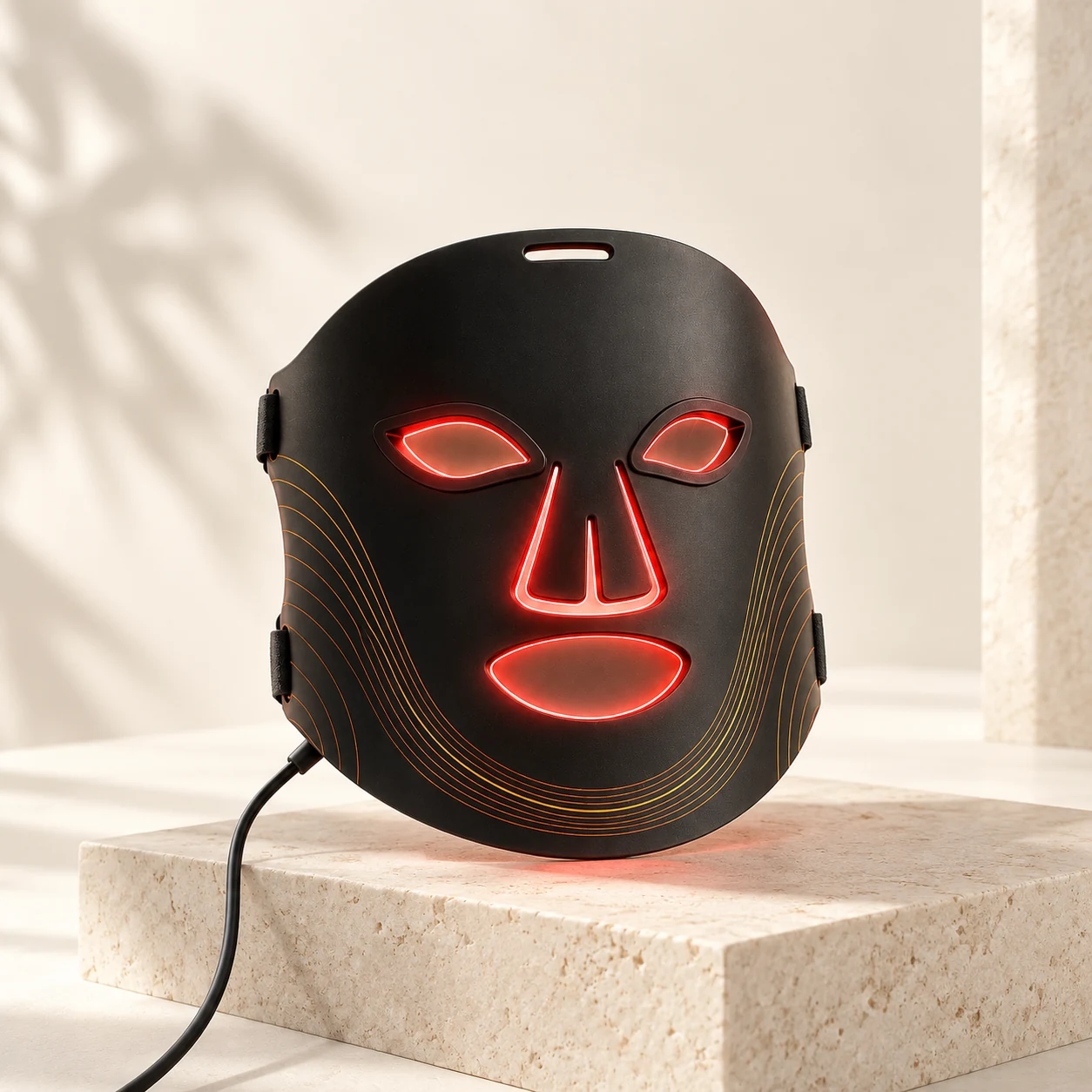
How to choose an LED face mask: compare wavelengths, fit, session time, cordless design, warranty and safety before you buy an at-home LED device online.
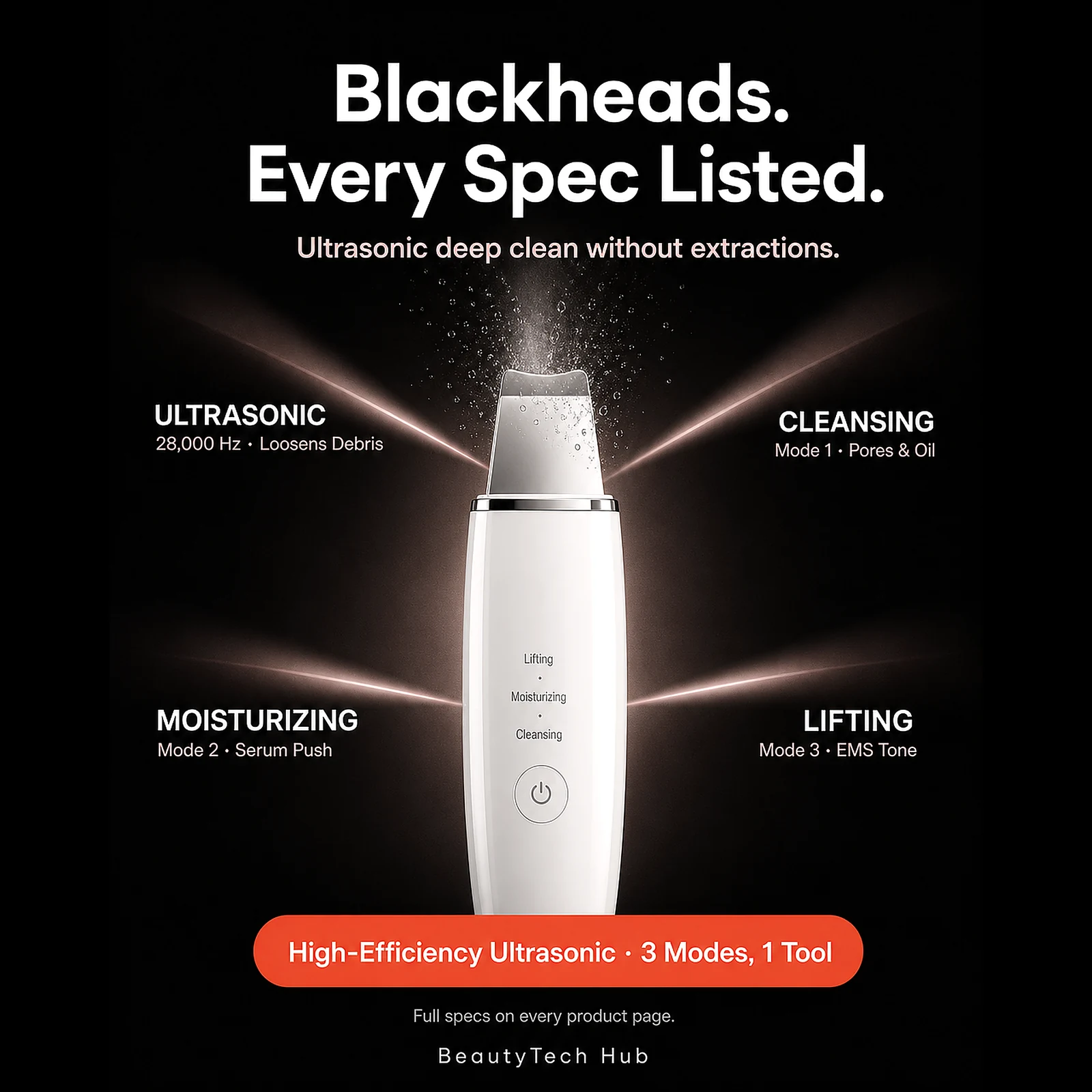
Ultrasonic skin scrubber or microcurrent device first? Compare what each does for pores, texture and contour, and which one fits your skin goals and budget.
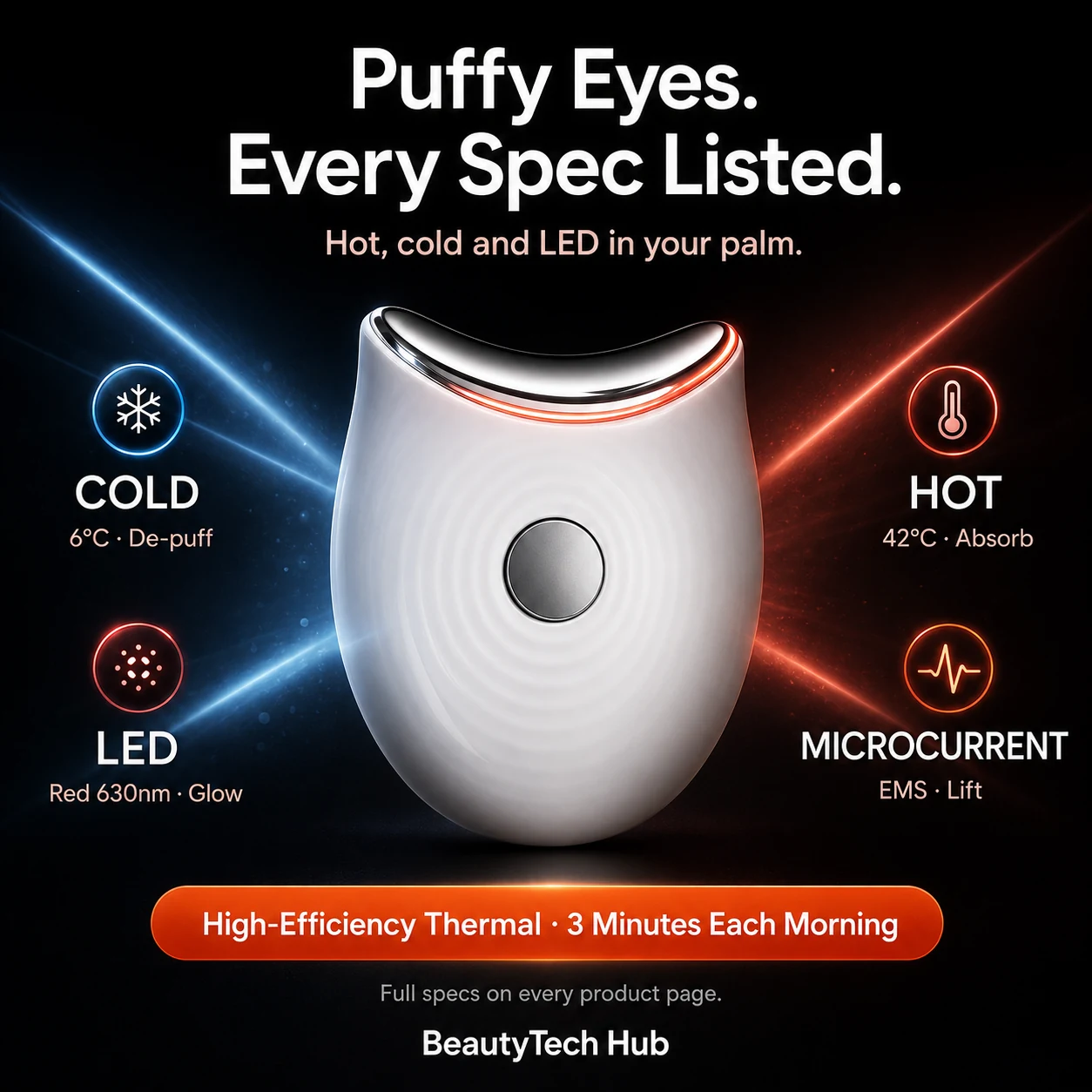
Compare warming, cooling, LED and vibration modes in hot and cold facial devices, when each mode fits your routine, and how CryoGlow handles all of them.
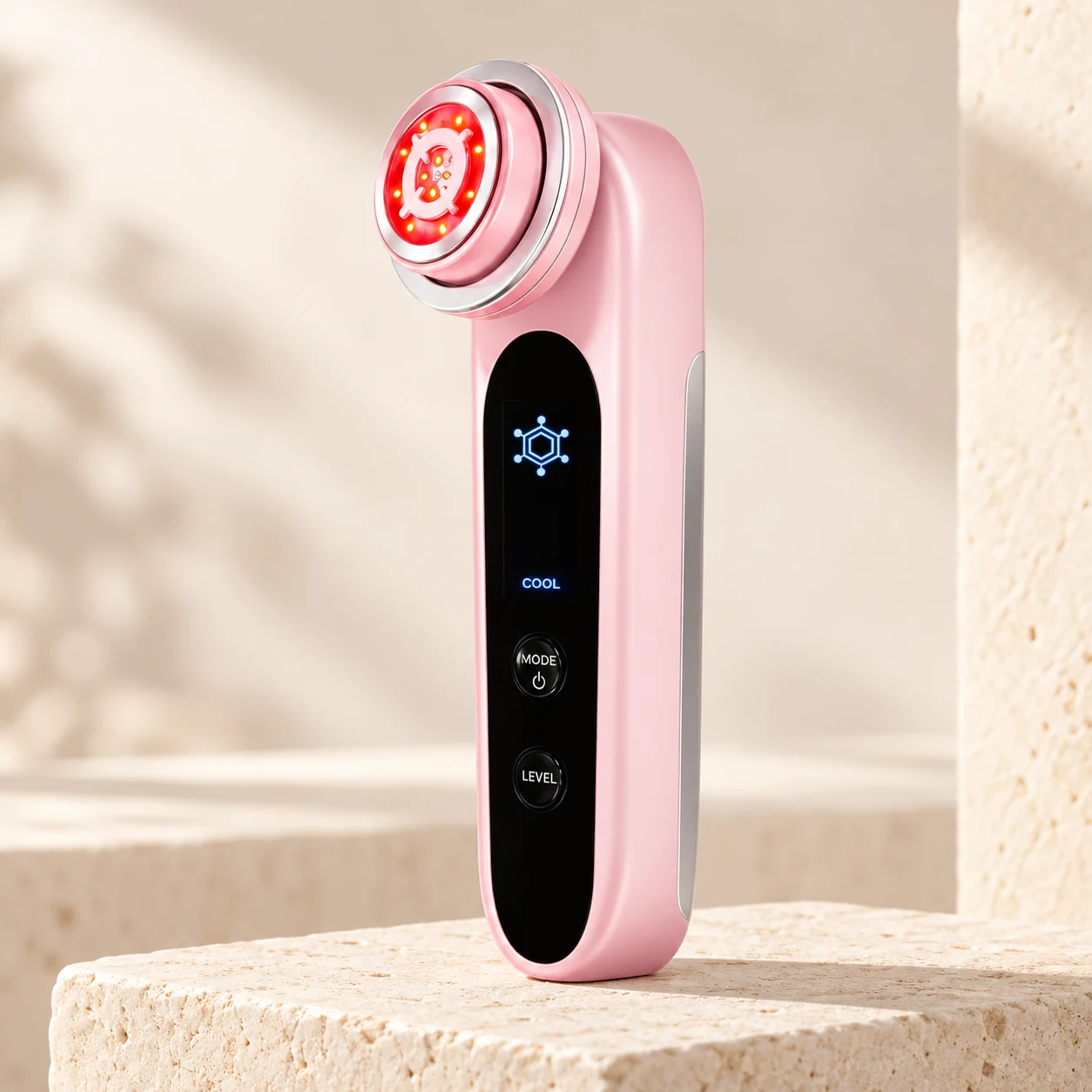
How to build an at-home microcurrent routine for jawline and lower-face contour: session length, how often, gel, technique and what results to expect.
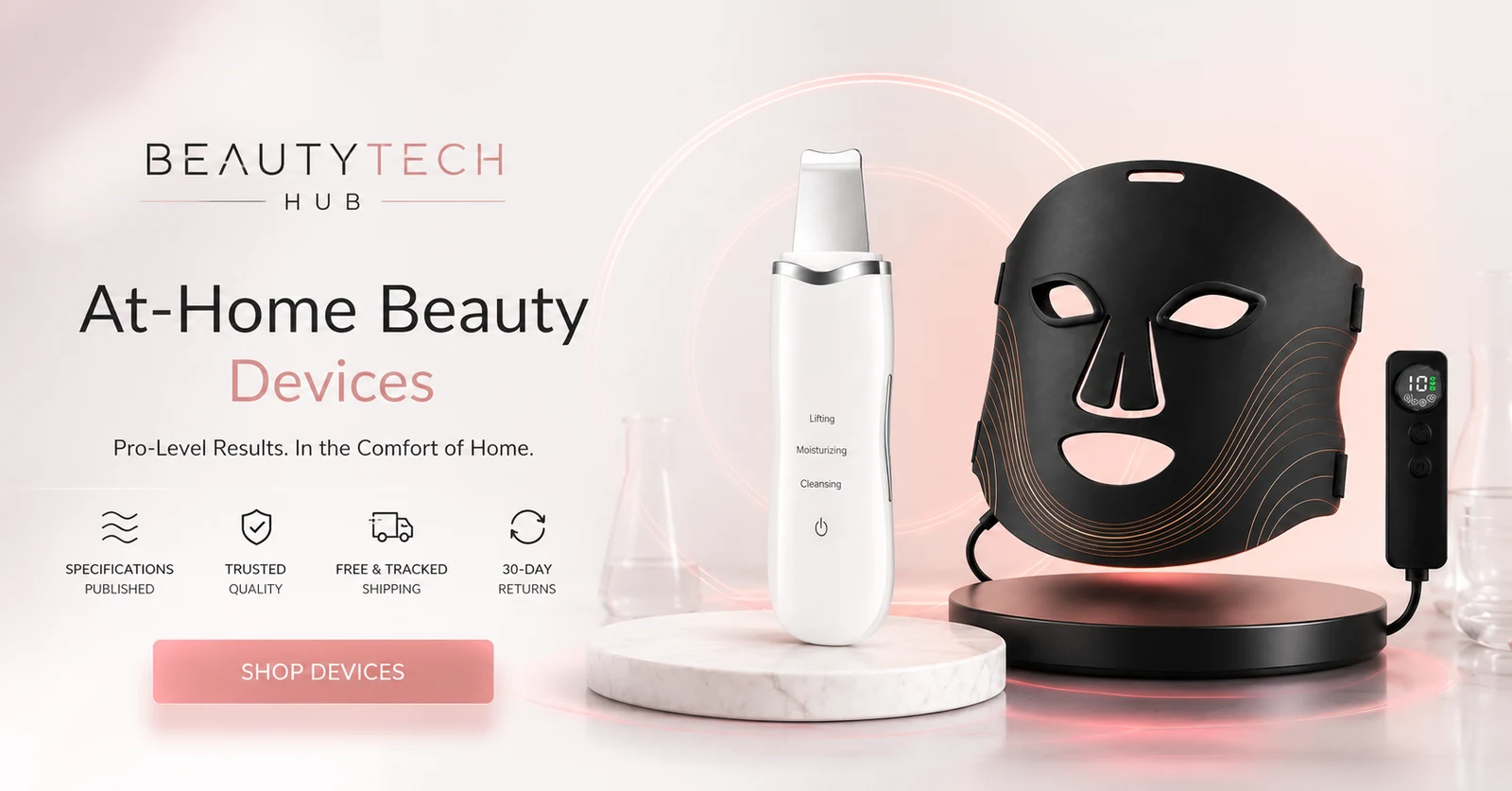
Compare LED face masks and microcurrent devices for fine lines, firmness and facial contour, plus how to choose the right at-home device for your routine.
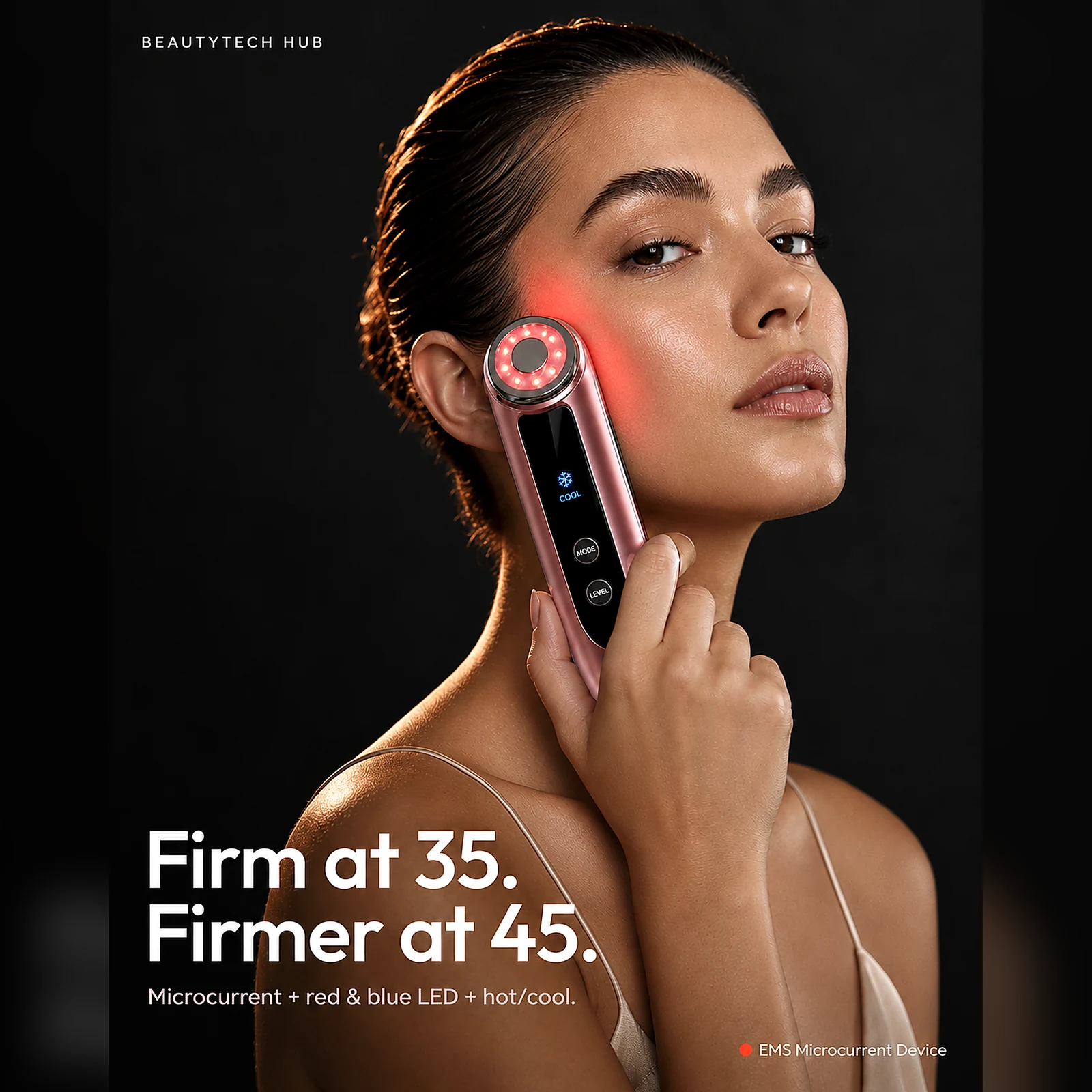
Learn what facial microcurrent can and cannot do, how it differs from EMS and LED light, and what to realistically expect from a consistent home routine.
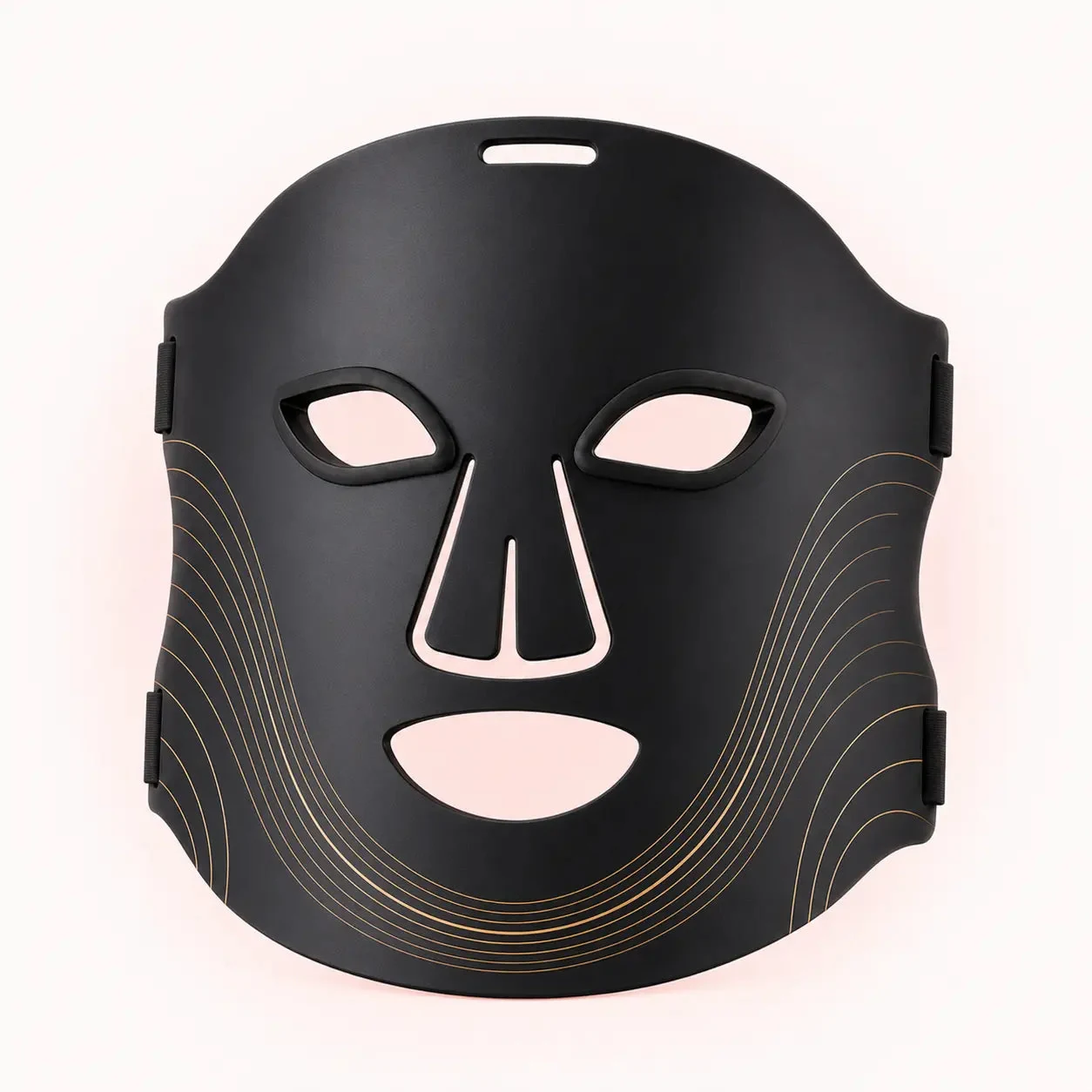
The LED mask goes on clean, bare skin and serums go on after. Why product underneath wastes both, where an ultrasonic scrubber fits, and the full order.
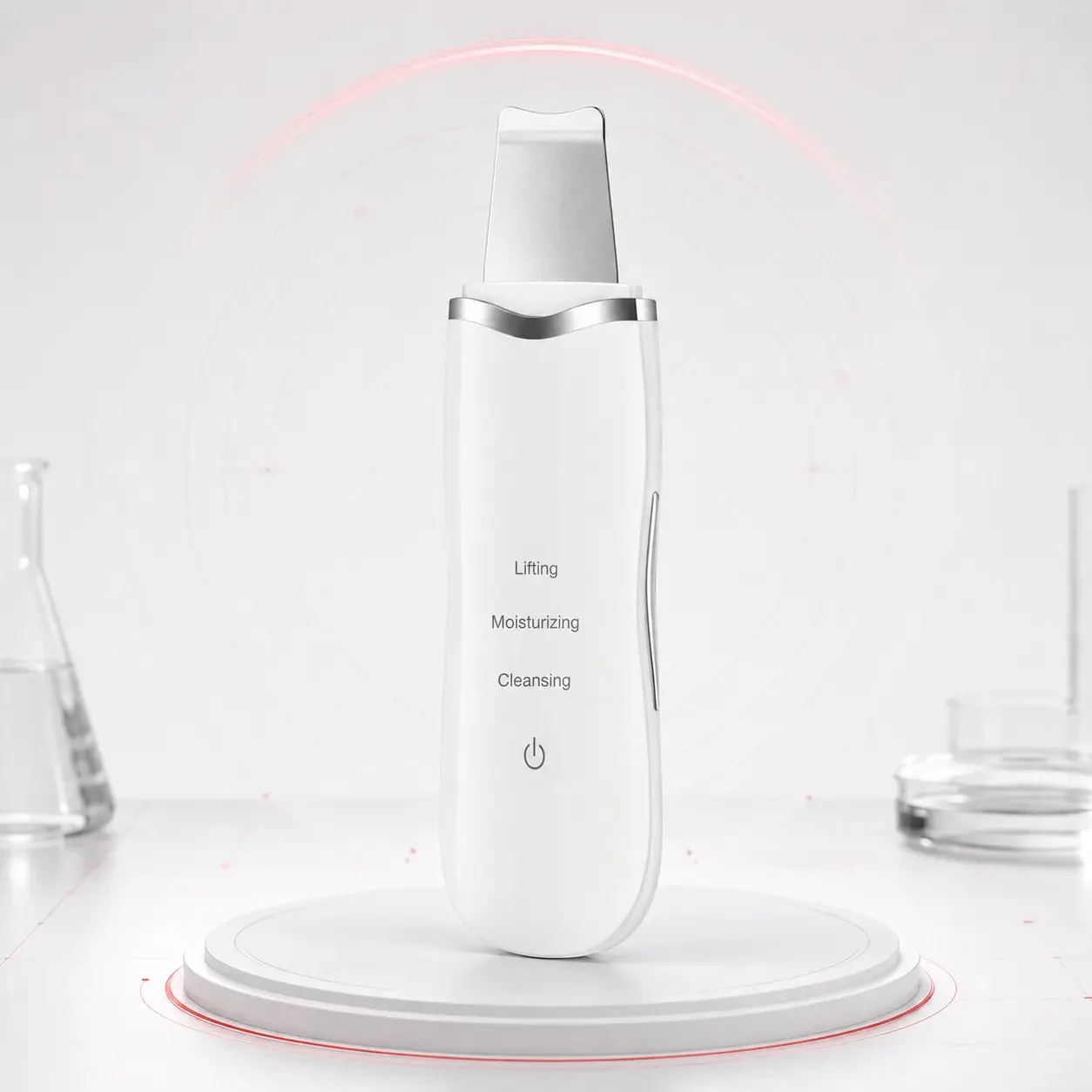
One works on surface texture right away, the other on appearance over weeks. How to tell which one your skin needs first, and the right order to use them.
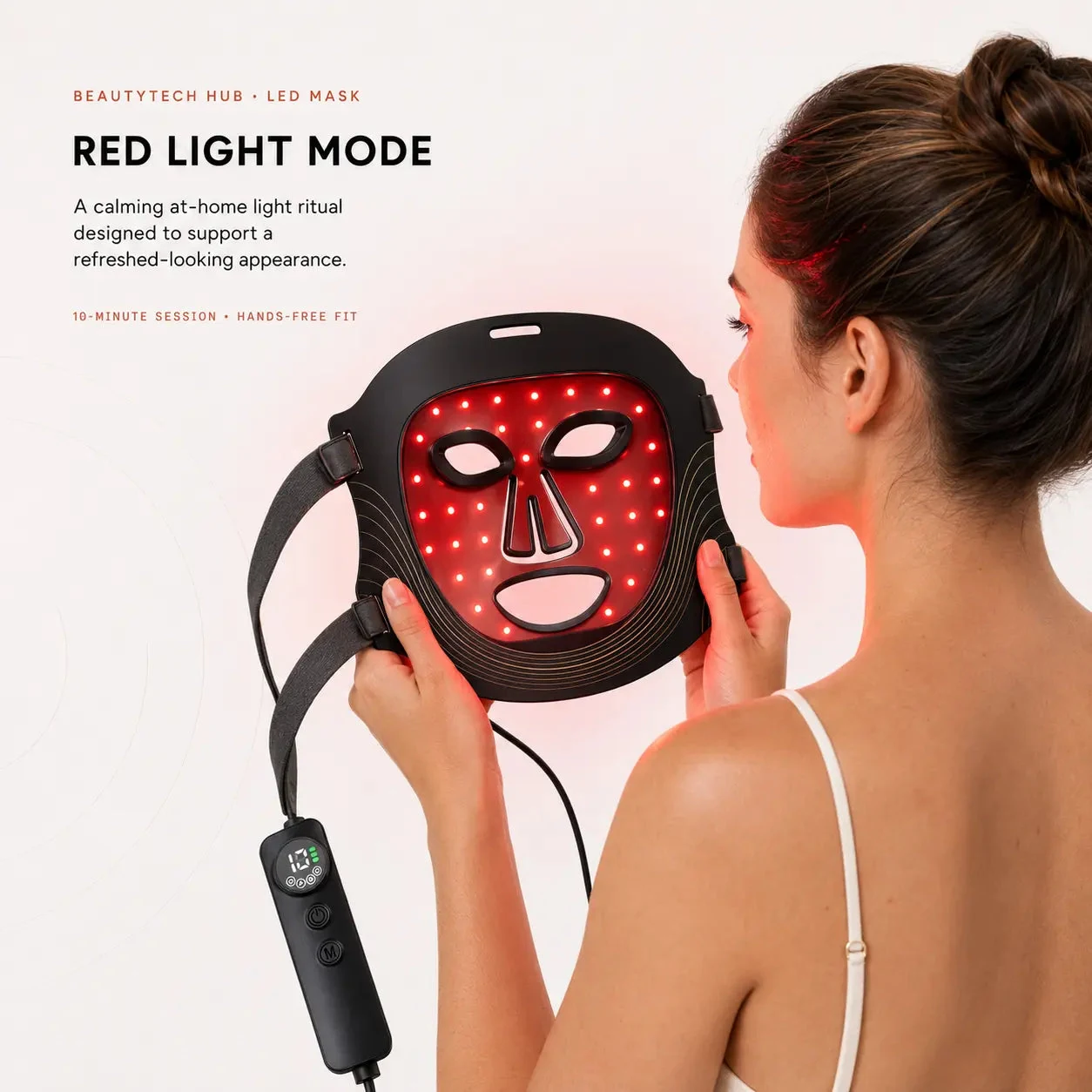
Three to five times a week, around ten minutes per session. Why longer sessions do not help, when to judge results and the signs you should slow down.
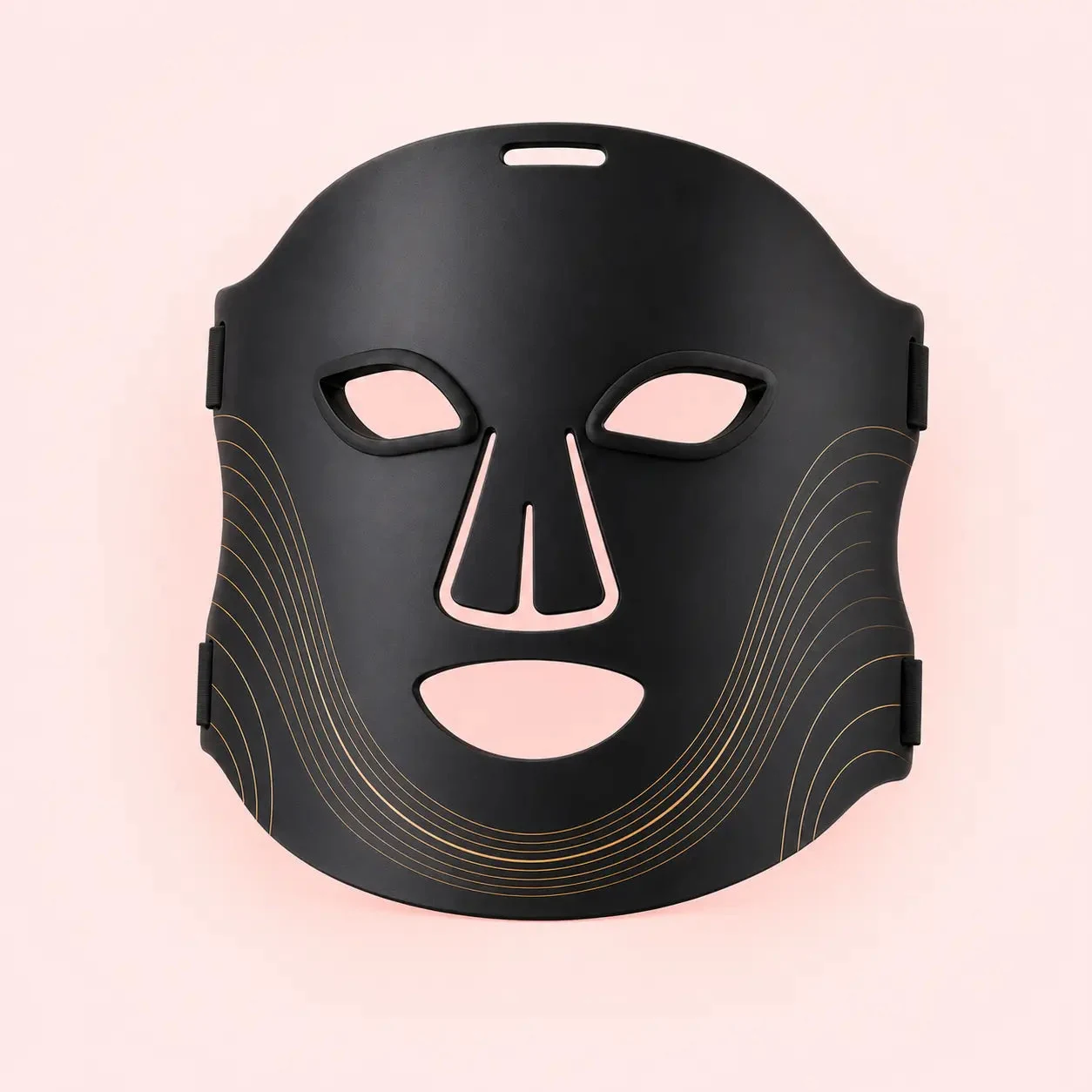
Blue 440 nm, green 520 nm, yellow 590 nm, red 630 nm and 850 nm near-infrared: what each LED mask light is used for and how to pick one and stay with it.